
Zombies at the Theme Park
Consumers are waking from a long trance. There are profound implications for brands and creative professionals.

🎧 If you're a paid subscriber and you'd prefer to listen to this essay, just head over to the audio version of Zombies at the Theme Park 🎧
Introduction
Here’s a thought experiment. Imagine a theme park so compelling, one that delivers such a powerful form of magic, that you’d be happy to stay there for the rest of your life.
This theme park knows you so well. It listens to everything you say, and watches every choice you make.
The park never forgets. It knows your history, every ride you’ve been on, every snack you’ve consumed. And over time it builds a model not just of what you’ve done, but of who you are; the deep, underlying beliefs, values, and preferences that drive your behaviour. It even uses sensors and AI to interpret your eye movements and pulse, so it knows when you’re excited, bored, or sad.
And via all that, the park can anticipate your every desire. It sometimes seems to know what you want even before you do. And then it delivers: endlessly, and instantly, without you ever having to ask. You never wait in line. You never feel frustrated. The next novelty will always be announced, just as the last falls away. Everything just flows.
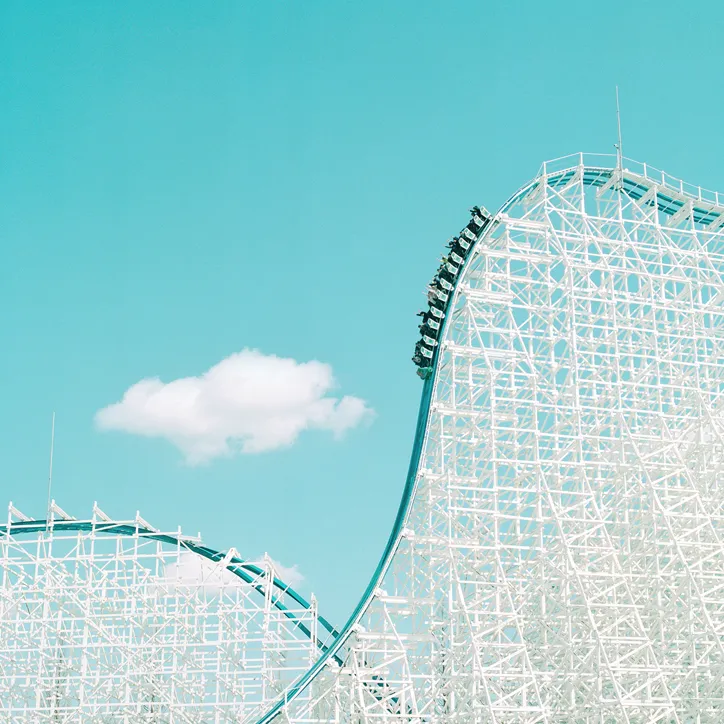
It’s almost like a waking dream.
Now look up from the screen. This isn’t a thought experiment. You’re already in the park. You have been for years. And you know it.
*
This essay is about the our relationship with consumerism. And its core argument is as follows:
We inhabitants of technological modernity have built an all-encompassing machine for immediate preference satisfaction. Our societies model each of us not foremost as a citizen, or even a worker, but as a kind of sovereign individual: an axis of impulses that must be analysed, predicted, and served. An army of algorithms, delivery networks, streaming platforms, and AI assistants works ceaselessly to do just that.
The culture we inhabit sold this lifestyle to us as ultimate freedom. Have what you want, when you want it! And for a long time, most of us happily believed that. No one can deny the many ways in which our lives improved as the decades went by. But as we fell deeper into hyperconsumerism, it became harder to shake a strange new feeling. At first, it grew at the edges of our awareness. Perhaps the power to enact our preferences in this way was not real freedom, but something else? Something darker?
Lately, that feeling has grown acute. In 2026, we inhabitants of technological modernity are haunted by a deep unease. Its essence? We fear that the version of hyperconsumerism we’ve built has turned us into shadow humans; people who only give the appearance of being fully awake. We’re growing to see how the system around us perpetuates itself by keeping us in an altered state: distracted, addicted, stuck in the loop.
Our lives are materially comfortable beyond the wildest dreams of our great-grandparents. But the price we’ve paid is this unease. I’ve come to believe that it is best described in this way: our deep fear is that we have become zombies eternally lost in a theme park of endless preference satisfaction. Inside the walls of the park we live a surface existence, unconsciously consuming, clicking, and scrolling our way from one dopamine hit to the next, and never quite experiencing any of it.
But the way this feeling of unease is becoming acute, the way we are starting to talk about it, signals a shift. In 2026, the zombies — that means me, you, all of us — are waking up.
This awakening is, in my view, the most important socio-cultural trend in play in early 2026. And while various people are talking about fragments of it, I don’t yet see a coherent articulation of the broader picture.
In this piece, I want to attempt that articulation. I want to diagnose the zombified condition we've fallen into, and look at how the awakening is manifesting around us. And I want to draw out some key implications.
Our journey will take us through the mania for shortform video, to the new generation of activists who claim human attention is being fracked, to GLP-1s and their potential to radically transform our relationship not only with food, but with the entire system of hyperconsumerism as it exists now. And we'll see how immediate preference satisfaction has colonised ever-more of our lives, from our relationship with physical products, (thanks Jeff Bezos), through content (thanks TikTok algorithm) and now, via LLMs, to the final frontier: relationships.
Meanwhile, I'll argue that the zombie awakening has profound implications for all kinds of businesses and creative professionals. Implications for the way we design, the relationship brands build with their customers, and the kinds of products, services, and experiences that will have impact.
Two important qualifications before we begin.
First, I’m aware that when I say we’ve become lost in immediate preference satisfaction, that might sound as though I believe that life for everyone in 2026 is one endless round of consumption and material abundance. I am not under that misapprehension. Life is hard for many; wages are low, and plenty are struggling. But that’s one of the most insidious things about the theme park: the most potent distractions it serves are often low cost, or free. The park keeps the many distracted, while the few get rich. It’s enough to make you believe it was designed that way.
Second, if it’s not already clear: when I talk about zombies, I’m not trying to judge anyone. There’s a zombie in all of us; god knows mine takes control of me often enough. As we’ll see, this metaphor is really about the battle we all wage between two eternal sides of human nature.
To get started, then, I want to look at how our current condition — how our being lost in the theme park — manifests.
Then I’ll look at the mechanics of the mass waking event I say is happening now; that will mean taking a closer look at the way we humans experience the world, and ourselves. I’ll point to evidence that we zombies really are waking up. And finally, we’ll get to those implications.
So, let’s get into it.
Lost in the Theme Park
How does the theme park I’m talking about manifest itself in our lives in 2026? The answers, of course, are long and complex; we can only take the quickest glimpse here.
When it comes to moving towards an answer, there are so many possible avenues that we can take.
We could start, for example, with food. Our bodies evolved in an environment of scarcity; our brains are wired to seek salt, sugar, and fat. For most of human history, this impulse was constrained by the difficulty of satisfying it. Today, not so much. As we all know, so much contemporary food is processed food; preference-satisfying units optimised for compulsive consumption.
But the machine for preference satisfaction extends far beyond what we put in our mouths.
Consider the revolution in convenience services. Amazon, Deliveroo, Uber Eats, Instacart: these platforms have fundamentally altered our relationship with the acquisition of all kind of physical products.
We can think of this as immediate product satisfaction. The gap between desire and satisfaction has compressed to an extent that would have seemed impossible two decades ago. That new book? Next day delivery. Coffee from Starbucks? Thirty minute wait time. You never have to leave your sofa. You never have to plan ahead. Instead, in 2026 we operate the physical world as though via an all-powerful remote control.
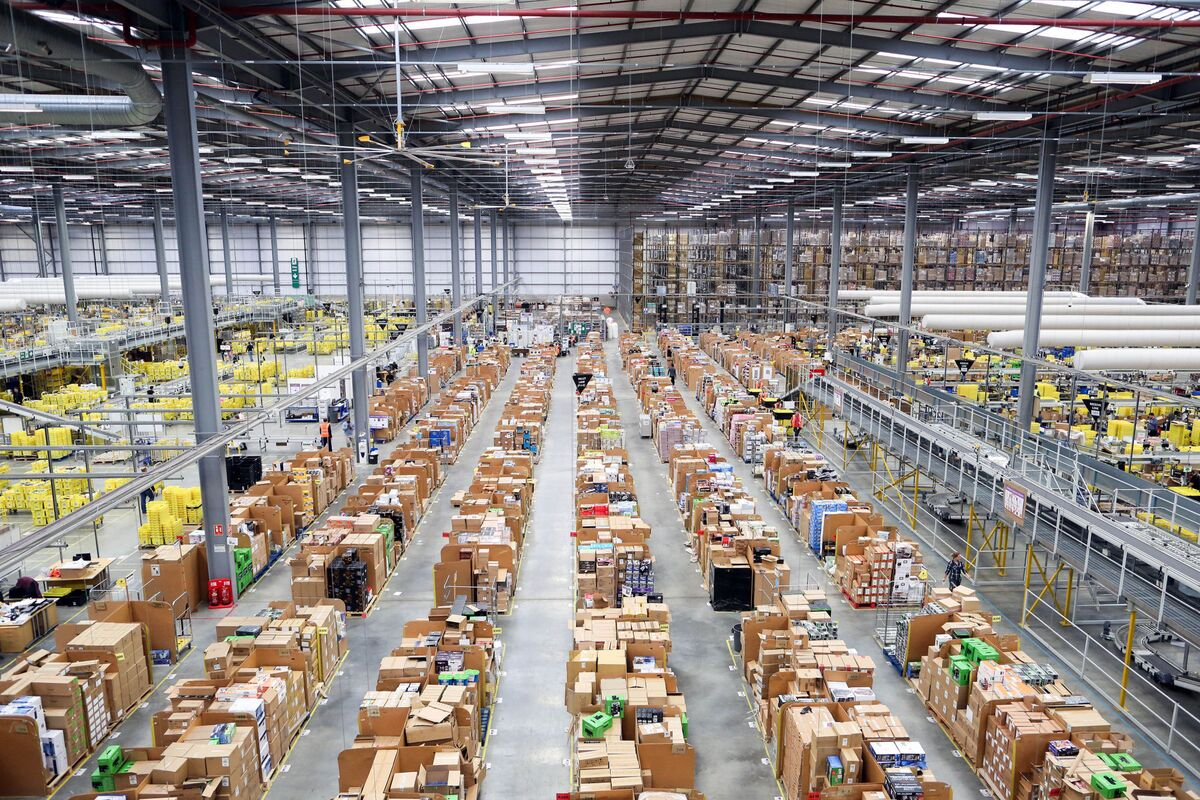
The megasystem that Amazon has built to make all this possible now employs over 1.6 million people, making the company the world's fifth largest employer. Inside the vast temples to consumerism that it calls fulfilment centres, the scale of our wanting is made tangibly real:
But the most acute incarnation of the preference satisfaction machine? It’s not a part of the physical world at all. It is, of course, our online lives. Which for many of us now constitutes a great deal of our daily waking existence.
In retrospect, the internet was perhaps always best understood as a vast machine for the supercharging of our instinct towards instant preference satisfaction. Online, the gap between wanting and getting doesn’t have to merely shrink; it can disappear. And innovators have spent the last two decades leveraging that truth over and over, in ever more powerful ways.
We all know the mechanics by now. And they play out most acutely when it comes to a particular, and a vastly powerful, product. We’ve come to call it content.
The algorithm learns what you like. It serves you content that triggers engagement: a spike of outrage, a flicker of desire, a hit of validation. You didn't ask for this specific video, this particular post, this image. But the algo knew you would respond. You scroll. You tap. Hours dissolve. You emerge feeling hollowed out. They call you a user (as drug dealers do). But it feels more like the system is using you.
Such is the world of content platforms and social media: a realm in which your preferences are learned, predicted, and pre-emptively satisfied before you even know you have them. It was bad before TikTok. Now it’s insane.
Short-form video, as pioneered by TikTok and now served across YouTube, Instagram, and beyond, is the crack cocaine of online content. It’s junk food for the brain, engineered for maximum compulsive engagement, each video a tiny dose of dopamine.
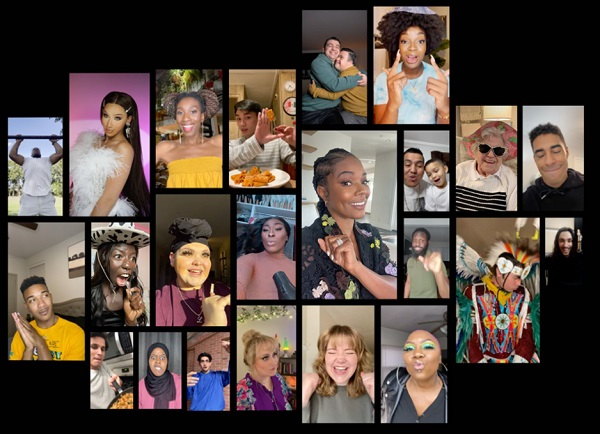
Hyper-addictive short-form video has helped push average screen time to seven or eight hours a day across the industrialised world. Those numbers are cited so frequently, we’ve become numb to how insane they are. Eight hours a day.
According to a study published by in December by Pew Research, a full 21% of US teens say they’re on TikTok almost constantly:
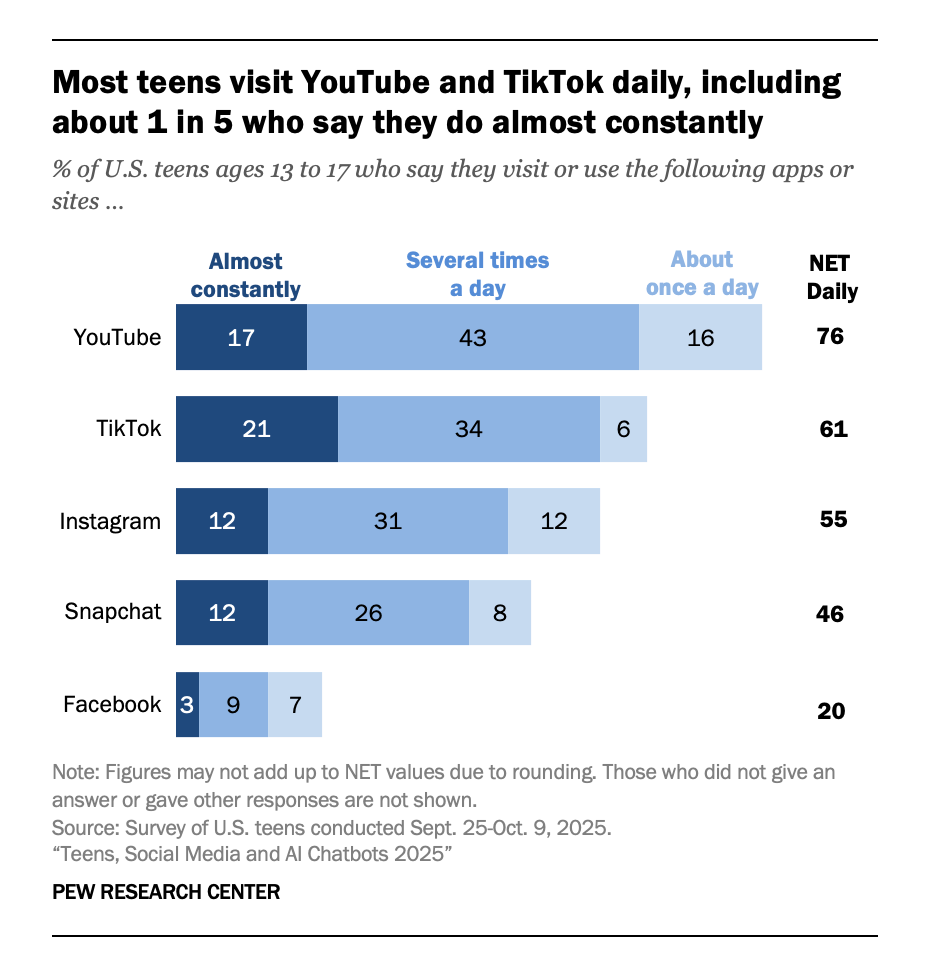
This is the theme park at full volume, maximum brightness. Most inhabitants are in so deep, they’ve forgotten that there’s an exit.
Put it all together, and the outlines of this system become clear. It's a machine that serves us endless, algorithmically-generated slices of our own past. You watched this video; now watch this one. You bought this product; now buy it again. You felt this emotion; now feel it more intensely. The result? We become trapped inside a recursive loop of our own preferences, slowly becoming a Warholian copy of a copy.
And did you hear? They’re opening a new ride in the theme park now. One that some inside the park have been whispering about for years. It will be fuelled by AI.
Thanks to large language models (LLMs), we’re now building AI entities that will do for relationships what the TikTok algorithm has done for content. In fact, what’s coming will make the social media era — and all our worries about its impacts on us — look a throwback to simpler times.
A new generation of AI companions will serve as proxy friends, counsellors, life partners in the lives of millions. These companions will endlessly validate every feeling, confirm every bias, and sympathise with every perceived slight. And we'll be able to choose them as we do products from a retail site carousel.
Get bored of your current AI girlfriend? No problem, just choose a new one from the menu.
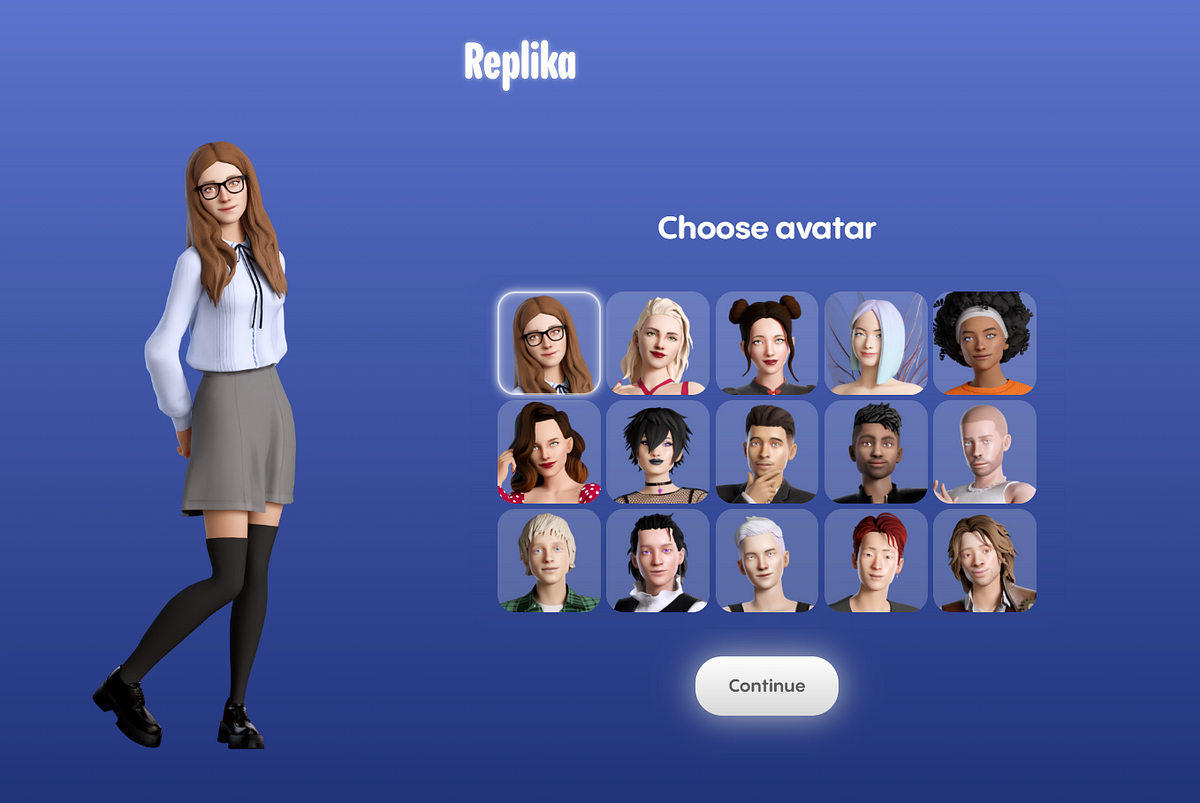
Across the last two decades, and via the internet, we’ve travelled deeper into the theme park. With these AI entities, that journey — a journey towards ever stranger and more acute forms of immediate preference satisfaction — reaches its final destination. That destination takes the form of an AI-fuelled pseudo-human trained to perform the role of the perfect companion. Trained, that is, to serve the need that lies deepest in all of us once our subsistence needs are met. The need to be validated, appreciated, seen.
Soon enough, billions of people will be in some form of relationship with this kind of AI entity. And we’ll have cause to ask ourselves all over again: is this really what freedom feels like?
Two Selves
To answer that question, we need to ask a prior one. What is freedom, anyway? And to answer that, we need to look deep inside ourselves, and ask perhaps the deepest question of all. What is a human being?
This essay, of course, can’t grapple with even a sizable fraction of that question now. But to understand the nature of the trap we’ve been lured into by hyperconsumerism, we need to recognise one fundamental dimension of the way we humans experience ourselves.
That truth might be best summed up as this: you contain multitudes.
All of us are host to what might be called the little self. It’s the part of us that wants the sugar, the scroll, the easy dopamine hit, the path of least resistance. But we also have a part of us we might call the unlimited self, which is capable of psychological investment in values that run beyond, or even contrary to, our everyday desires. It is the part of each of us that wants to be disciplined, creative, and thoughtful. The part that wants to build something, to connect deeply with others, to grow. That part that believes in something beyond just this moment.
The divide I'm talking about is analogous to the one Daniel Kahneman describes in his landmark book Thinking, Fast and Slow.
All of this is to say: we humans are more than only a bundle of disparate and superficial preferences. And yet this is how we are treated — how we are processed — by contemporary hyperconsumerism.
That system has almost nothing to say to the unlimited self. But it wants total dominion over the little self, and it has achieved something close to it.
This is why life in the theme park feels, in the end, like a kind of dehumanisation. Via this form of life, we sense we are being systematically reduced. Our attention, the very medium via which we consciously experience the world, is being gutted and sold for parts.
And that sense is pushing many of us, now, towards the walls of the theme park. Millions are rising into a new awareness that something is wrong. That what they thought was empowerment is actually a new kind of servitude.
They’re waking up, in other words, to what I’m convinced is the most revolutionary thought possible inside 21st-century consumerism. That is, that what we need most now is freedom from ourselves. Freedom, that is, from the tyranny of our own immediate preferences.
Zombies Awaken
How is the zombie awakening manifesting around us?
The first consideration here: this awakening is not something that began this year, or even last. When you’re as zombified as so many of us have become, you don’t wake up overnight. It’s a gradual process; one with roots that go back years. A slow waking into awareness.
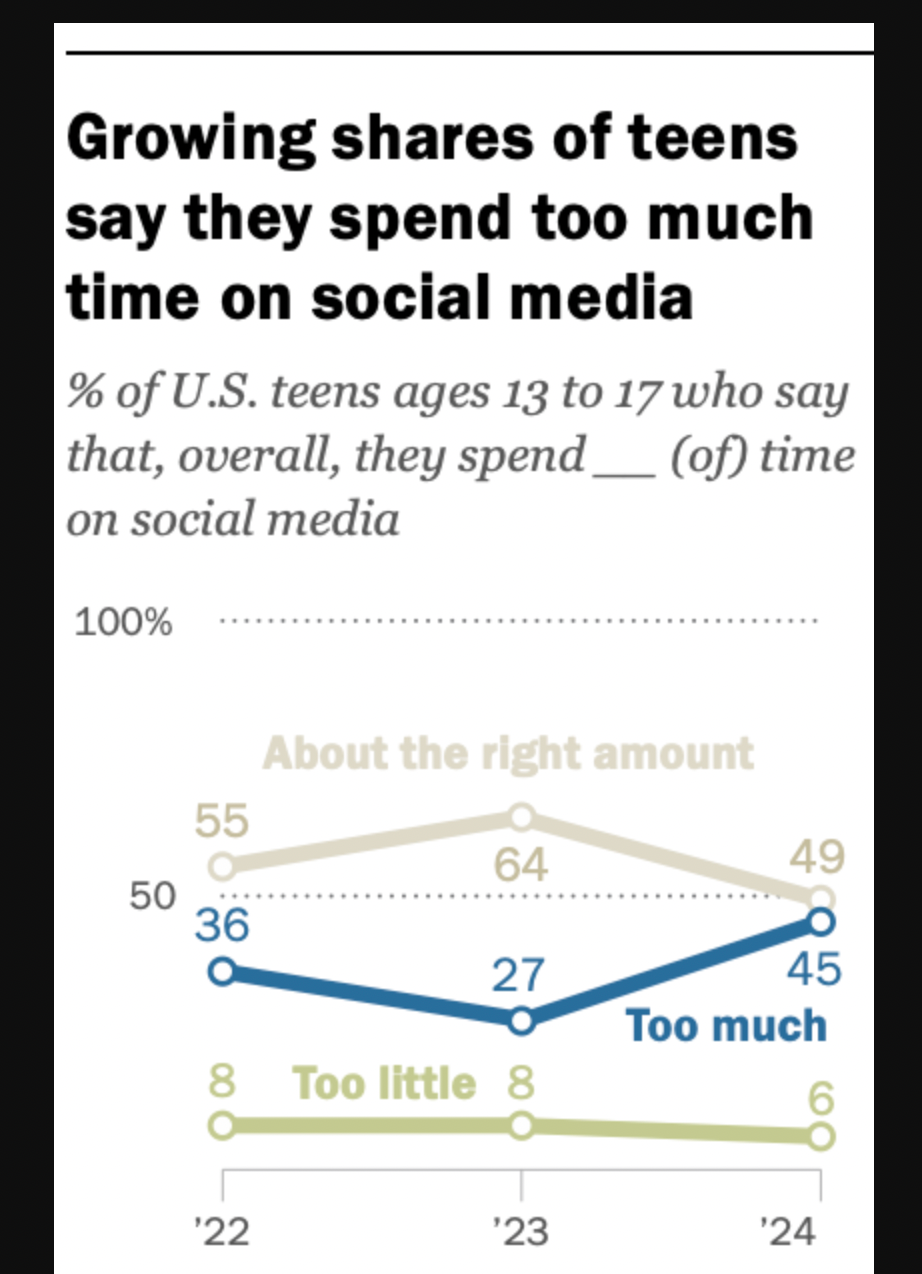
You glimpse it, for example, in the rising number of young people who now agree that they spend too much time on social media. This is from Pew Research:
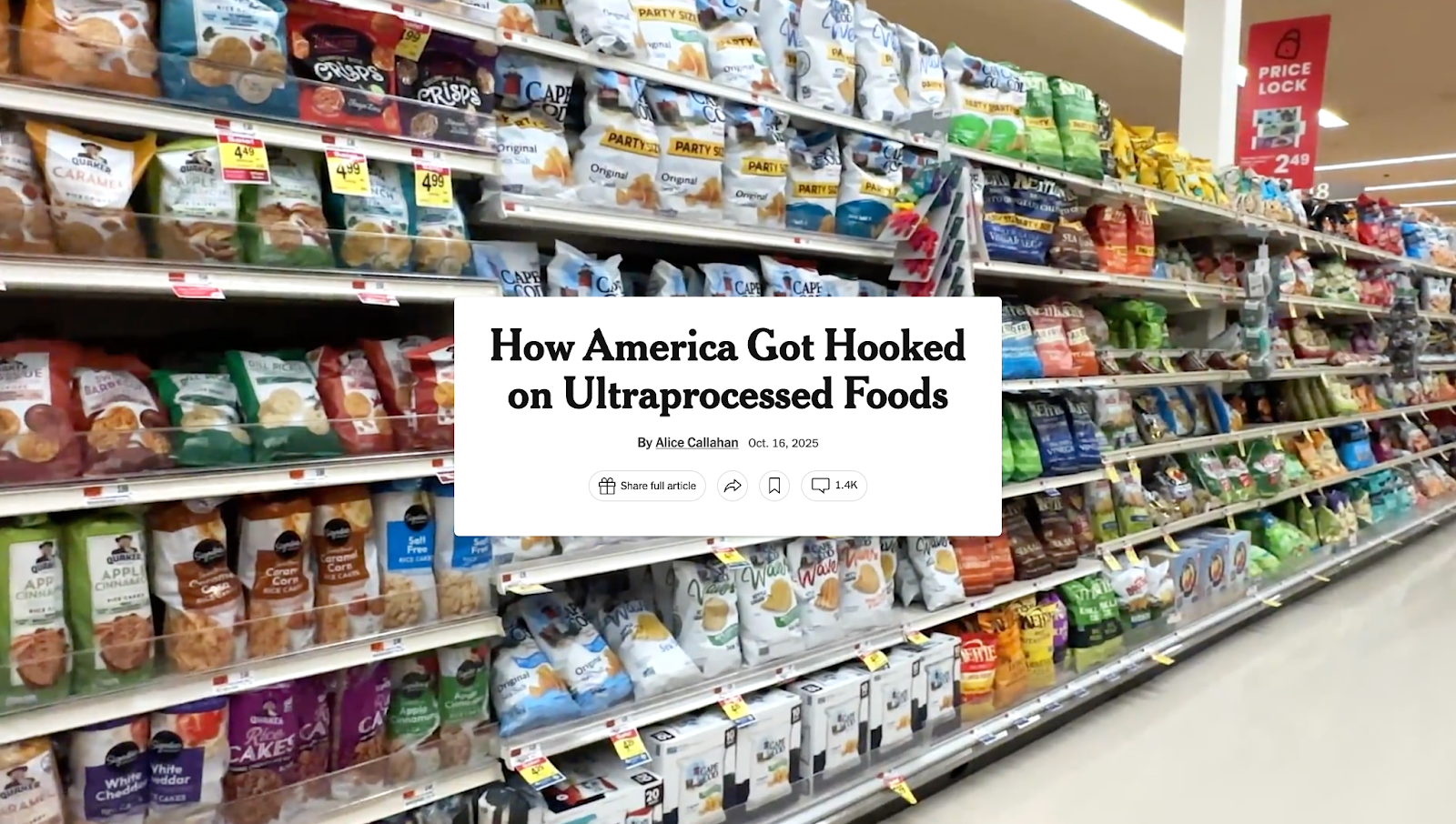
Or in the cultural pushback against so-called ultra-processed foods, which has been building for years. This is from a major New York Times feature on the subject, published in October:
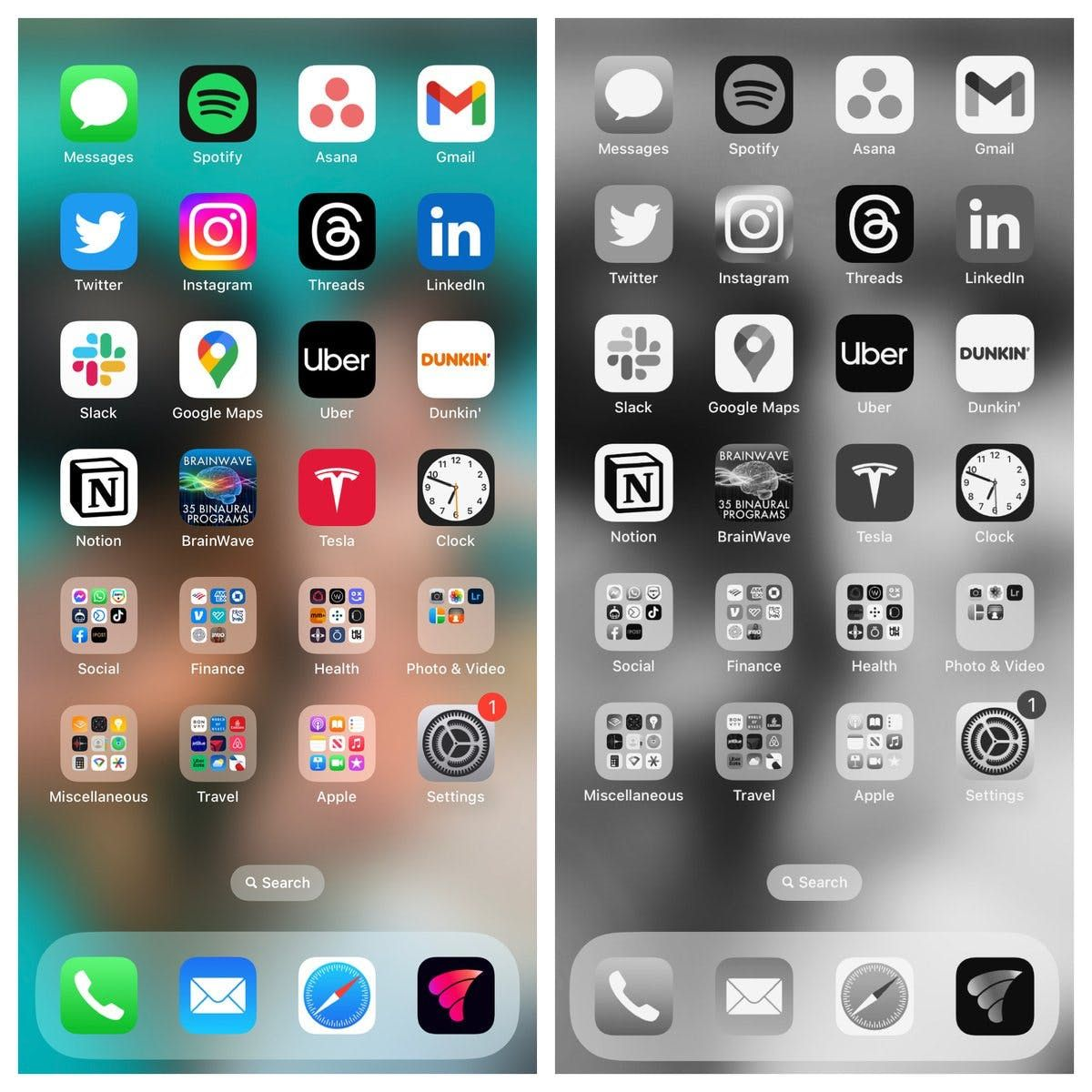
The Silicon Valley tech elite often incubate cultural trends that come, eventually, to influence the rest of us. For years now, some young professionals in the Valley have been ‘greyscaling’ their phone screen to make it less alluring.
These are just a few fragments of a far broader story. But if this awakening has been ongoing for years, then what is new here? Why am I telling you all this now?
What’s new is the growing scale and intensity of this awakening. Just look to the fragments I’ve touched on above. In 2026, each has moved out of the fringes of our culture and firmly into the mainstream. The greyscaling trend, for example, has been around for a while. But now, New York Times op-ed columnists are writing about it.
In so many ways, we’re reaching a tipping point. Yes, it was slow and incremental at first. But now, you can feel it: we zombies are starting to wake en-masse. And they’re demanding change.
See the cultural trend that has generated the most headlines across early 2026: friction-maxxing.
The term emerged in a January 2026 essay by Kathryn Jezer-Morton in online magazine The Cut. It encourages the deliberate practice of reintroducing inconvenience into everyday life. That can mean paying with cash instead of tapping an app. Buying a cookbook instead of asking ChatGPT for recipes. Getting lost occasionally instead of following the little blue dot on Google maps.
And yes, ditching the phone. Flip phones are still allowed.
The essay went wildly viral. It’s generated a ton of commentary. Even TikTok creators are talking about why people should stop scrolling TikTok and instead go and find some friction to maxx.
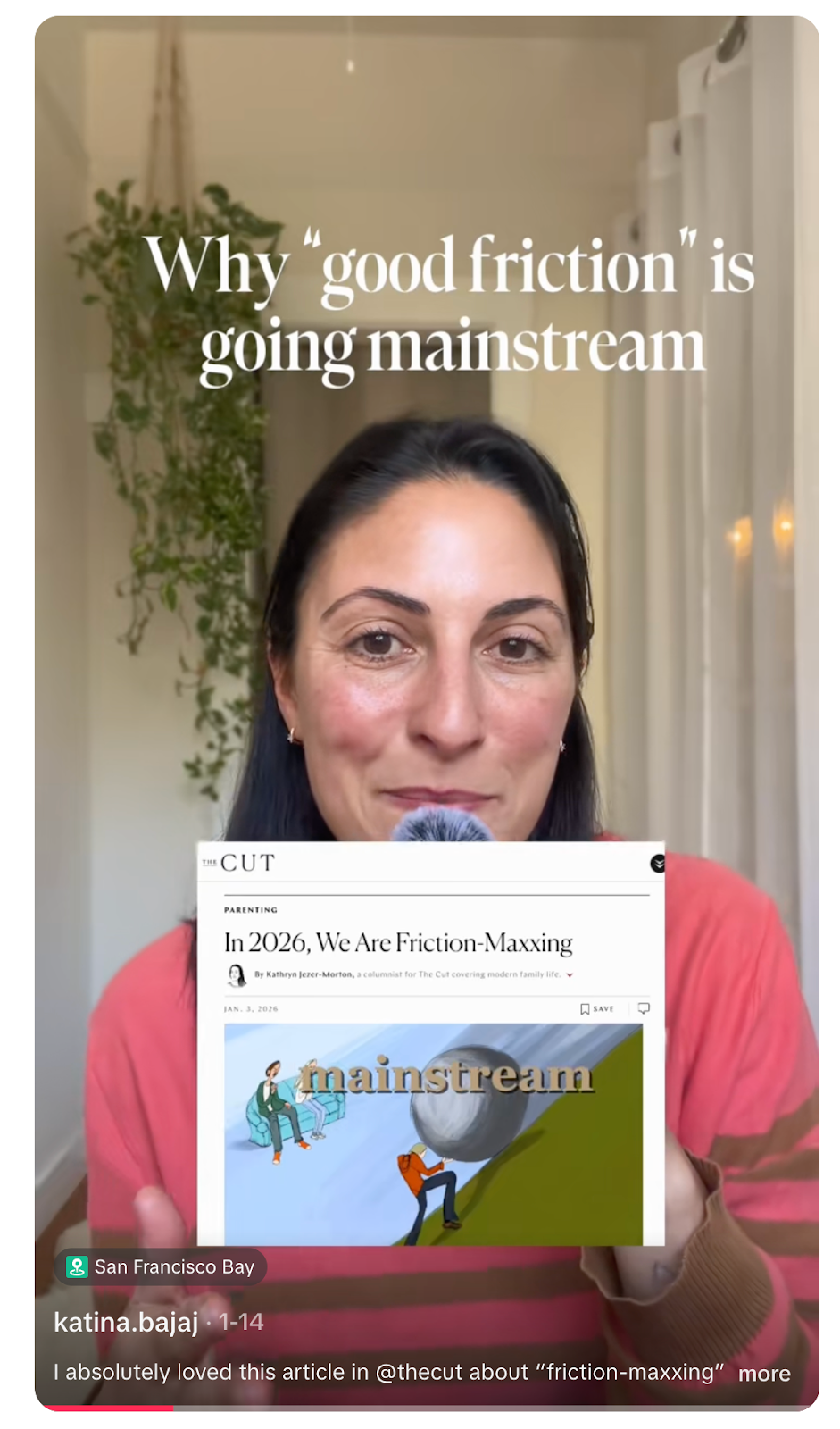
Jezer-Morton’s articulation of why we should embrace inconvenience is powerful. And it aligns with the broader argument I’m making here. Our immediate preference for convenience, she says, has been cultivated to new and baroque heights by a host of online services. And by exercising that preference over and again we have fallen into a strange kind of half-life. The damage, says Jezer-Morton, is particularly acute for young people:
‘An orientation toward friction is really the only defence we have against the life annihilating suction of technologies of escape. Without friction, most kids will have no reason to love reading, let alone thinking for themselves. If you’re tired of thinking about ‘screen time,’ and who isn’t, maybe you need to reorient in terms of friction instead.’
A similar set of concerns, meanwhile, is finding expression in the emerging movement to take back control of our attention.
In January an activist group calling itself the Friends of Attention published a new book called Attensity! A Manifesto of the Attention Liberation Movement. The book's central argument is bracing: our attention is under assault. A handful of technology companies are engaged in what the authors call 'human fracking': a process via which our attention is mined, quantified, and exploited for profit.
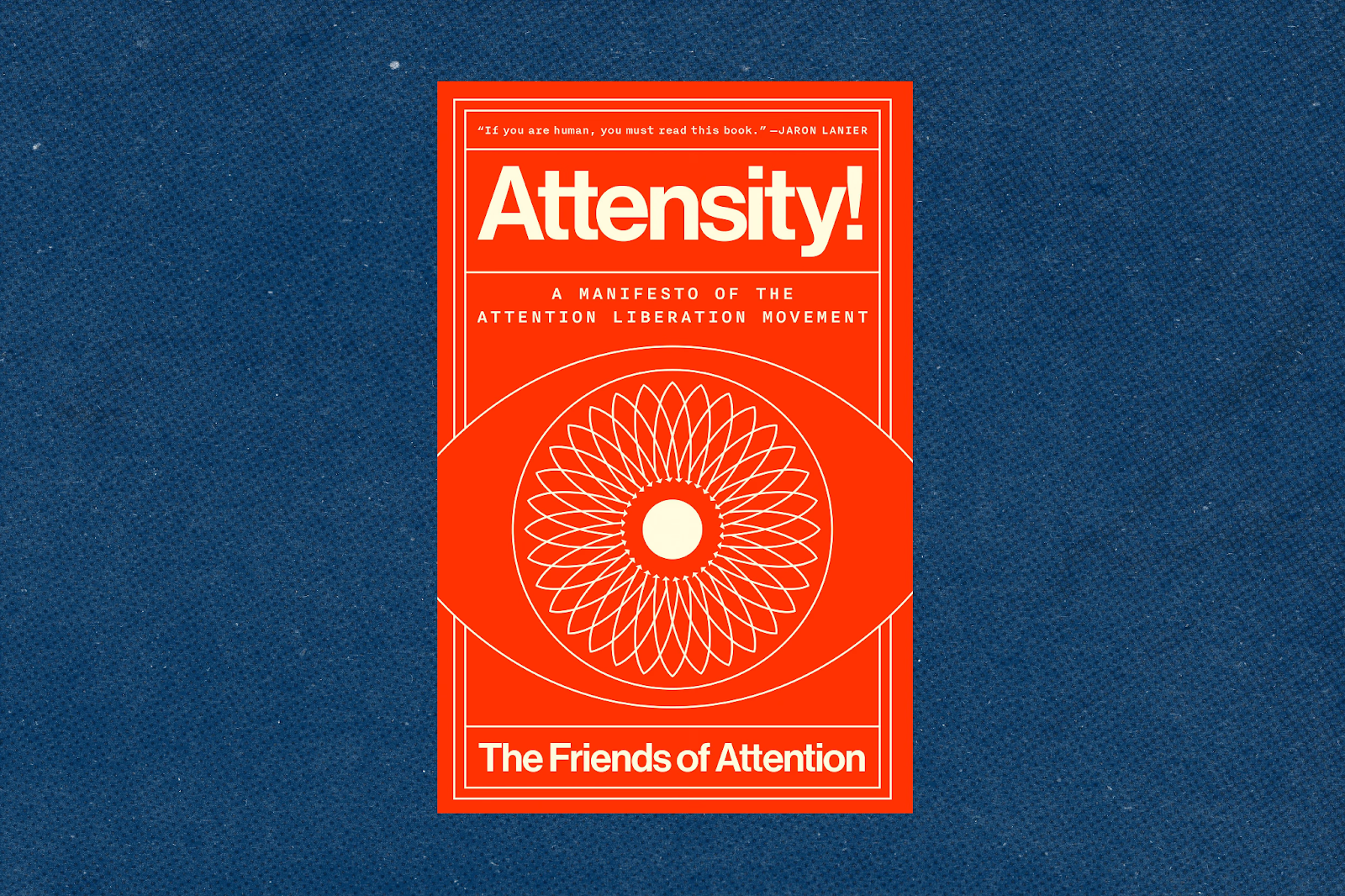
This industrial-scale assault on our attention, say the authors, is the most urgent collective challenge we face. Because everything — our culture, society, politics, everything — is downstream of our attention.
Attensity! doesn’t seek only to diagnose our condition. At its heart, instead, is a call to collective resistance.
The book argues that to push back against the exploitation of our attention, we need more than individual willpower or yet more digital detox. We need a movement. We need what the authors call 'attention sanctuaries': spaces where people can gather, experiment with different kinds of attention, and imagine brighter futures together.
Recovery of our attention, they argue, lies at the heart of everything. It is, in some deep sense, about the recovery of our humanity.
Via movements such as the Friends of Attention, human attention itself is becoming a political issue. This, too, is the sound of the zombies waking up.
The movement for attention liberation can hardly, yet, be described as mainstream. But you see glimmers of it firmly inside the mainstream. Look at Australia’s recent decision to ban social media for under 16s. Not so long ago such a move would have seemed way outside the Overton Window in any western democracy. Now, the UK and French governments are considering similar legislation.
These kinds of moves open the door to a truly mainstream socio-political movement for attention liberation. For reclamation of the unlimited self.
I hope I’ve done enough to persuade you that in so many ways, millions are waking up from the waking sleep of zombification. They’re deciding they want their attention back. They want their lives back. They want themselves back.
But perhaps the strangest and most arresting dimension of this picture? It’s to be found in an altogether different cultural phenomenon. I mean the dramatic rise of GLP-1s.
They are the family of drugs that include Ozempic and Wegovy. These drugs are reshaping — literally reshaping — millions of bodies across the industrialised world. But their cultural impact might be even greater than the impact they’re having on health.
Originally developed for diabetes, GLP-1s mimic a natural hormone that regulates appetite and blood sugar. The results have been extraordinary. According to Gallup's National Health and Well-Being Index, the obesity rate in the US has dropped from a record high of 39.9% in 2022 to 37% in 2025: the first statistically significant decline in years.
We’ve all seen the celebrity before and after pictures. And the headlines:
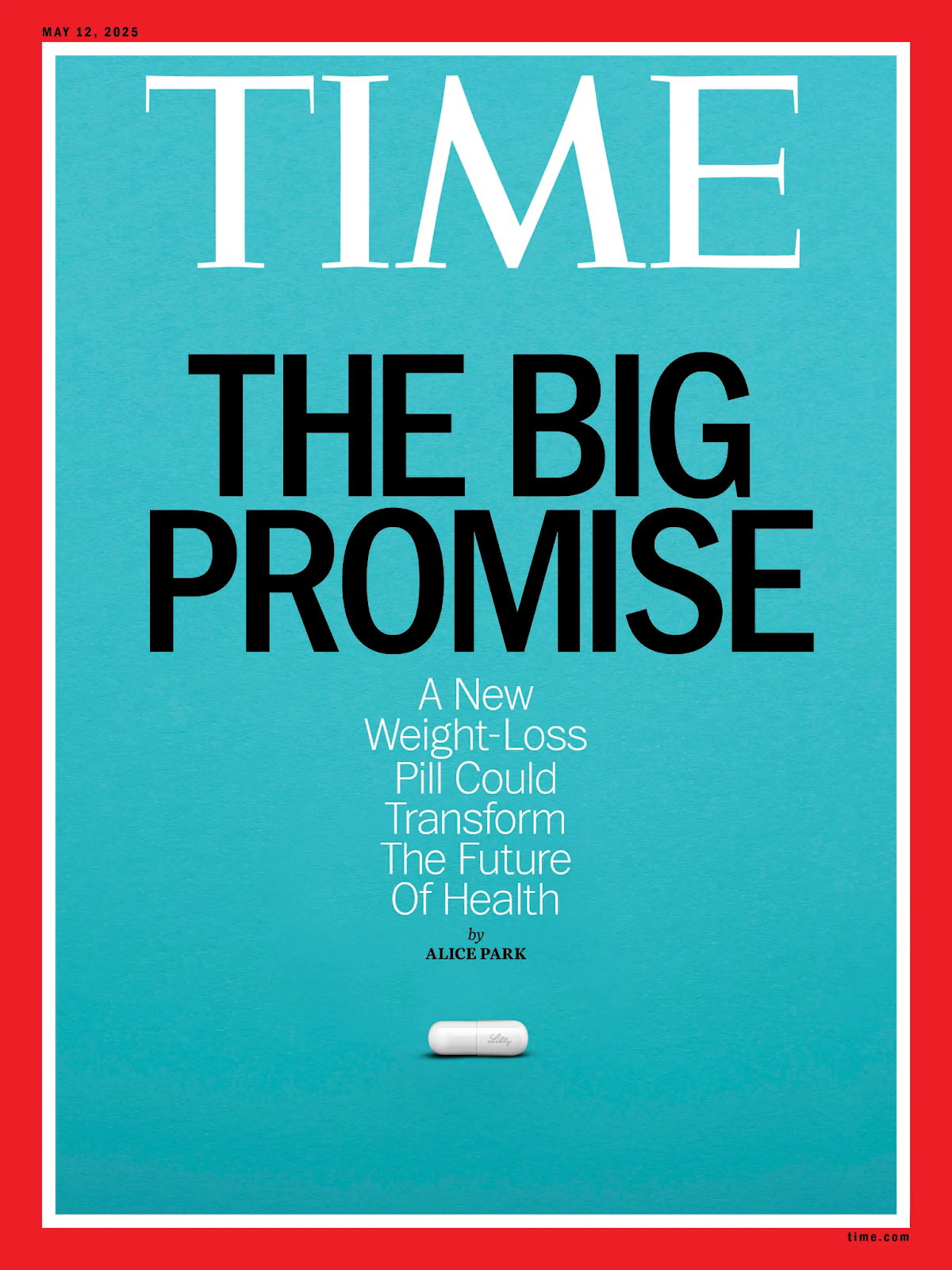
The measured impact that GLP-1s are having on obesity rates is remarkable. But what makes the GLP-1 story significant, for our purposes, is what it reveals about the way we experience life inside hyper-consumerism.
Users of these drugs consistently report something more profound than simply eating less. They describe a liberation from the tyranny of craving itself. They describe, for the first time in their lives, being able to think about food without being controlled by it. They talk about accessing a part of themselves that wants to eat mindfully, healthily: a part that was always there but couldn't break through the noise.
What these users are describing is a liberation from the little self, at least as it pertains to food. A newly-emerging ability, instead, to access to unlimited self: to pay attention to more deeply held values. Yes I want this snack; but I want to be healthier, too, and I want that more.
I think it’s this, above even their health impacts, that accounts for our deep and growing cultural fascination for GLP-1s.
Our cultural fascination with GLP-1s looks to the way they seem to be a magic intervention that allows us to wake from the central condition of our age. To wake, that is, from the sleep of immediate preference satisfaction. Some users say this effect is even extending beyond their relationship with food. They’re finding themselves liberated from the impulse to shop, or scroll, or drink that third glass of wine.
In a 2024 study published in the journal Brian Science, 21% of the GLP-1 users surveyed reported a decrease in impulse or compulsive shopping behaviours. Meanwhile, a 2025 survey found that 79% of GLP-1 users felt more in control of impulsive behaviours, and 18% said they felt more in control of screen time and social media use.
It's believed that GLP-1s are producing these effects because they modulate the brain's reward system, reducing the pleasure-seeking drive for compulsive activities.
The promise of these drugs, then — and of the next-generation drugs that are no doubt coming — is of an intervention that allows exit from the theme park. That allows us to be who we were really meant to be.
Some 12% of US adults report having tried a GLP-1. That’s around 40 million people who have some experience of this transformed relationship with themselves. That will only increase, surely, once GLP-1s are widely available in pill form, rather than as an injectible.
And it’s the possibility of this transformed relationship, I contend, that underlies our fascination. The culture is asking itself: what if the next generation of these drugs has an even more powerful effect on all kinds of craving and impulses? What if everyone ends up micro-dosing a GLP-1 or successor intervention? Does this end consumerism as we know it?
This fascination is compounded by the way that reality is multi-layered.
First, GLP-1s come with a host of material and physical drawbacks. They are expensive. They require ongoing use. They may produce side effects. But those aren’t the key complexities I’m talking about. I’m talking, instead, about the way the cultural relationship we’re building with GLP-1s has a kind of paradox at its heart.
If you buy the argument I’ve made here so far, then you understand a user of a GLP-1 as doing something particular and strange. That person is taking a drug to liberate themselves from their little self; from the tyranny of immediate preference satisfaction.
There is a clear sense in which that action works, in a straightforward way. Users take the drug, and feel more aligned with the part of themselves that has values beyond their immediate preferences; the one that has longterm goals about their health, wellness, and appearance. But there is another sense in which things seem less clear. After all, isn’t taking this drug itself a form of immediate preference satisfaction? Before GLP-1s, the way to lose weight was to put in the work: eat better, exercise, and so on. But now we get to skip that part? We get liberation, minus the effort? Is that true liberation from immediate preference satisfaction, or not?
And fast upon these questions come even deeper ones. So now we’re buying drugs that switch off our addiction to processed foods? Is this what consumerism is going to be now? Products that liberate us from the prison built around us by other products? Is that really freedom from ourselves? From hyperconsumerism? Or just the next layer?
Look closely enough at these questions, and it can sometimes feel that we’re entered a special and even more disorienting part of the Theme Park.
Welcome to the Hall of Mirrors.
Perhaps this place is a maze we have to make our way through before we can finally make our way out of the Park and back to the real world. Or perhaps the truth is darker. Perhaps we’re now so deep in the Park, and have spent so long inside, that the Exit is lost to us forever. Perhaps the feeling I’ve argued for in this essay — the feeling, that is, that we zombies are waking up and noticing the walls of our prison — is just an illusion. Another trick perpetrated on us by the management, to keep us docile, confused, and profitable.
These are deep questions, and ones I’ll return to in future Full Moon essays. And they’re questions that every brand, and every creative professional, will have to contend with in the years ahead.
Which brings me to the next part of this essay. I want to talk about the implications of all this.
What Comes Next?
We've wandered into disorienting territory. To draw out the implications of all this, we need to rewind a little.
To restate:
Fuelled by a range of forces — including new cultural trends, activist movements, GLP-1s and the cultural moment they’ve provoked — millions feel that they’re starting to wake up from the sleep of immediate preference satisfaction.
Whether this is an authentic liberation from hyperconsumerism or just another layer of the system is a question that I’ll return to in later essays.
For our purposes here, the point is: this is how a growing number feel now. And they want to act on that feeling. They feel impelled, then, towards new behaviours, new ways of being, a new relationship with the internet, the world around them, and, most of all, with themselves.
This has deep implications, both for brands and for many individual creative and knowledge work professionals.
Let’s take a tour. We’ll start with the more straightforward implications here, and move towards those that are deeper.
(Yet Another) Longform Renaissance
Given the key role that our relationship with online content plays in all this, it makes sense that one of the first-order implications is for the ways brands must show up online. In other words, for messaging and marketing.
For years, the conventional wisdom around online content has been relentless. Attention spans are shrinking. Make it snackable. Cut to the hook in three seconds.
Amid all that, every so often a trend forecaster pops up and announces the rebirth of longform content. I saw that trend written about time and again across the 2010s, and it still gets written about today. The truth, I think, is that even inside the theme park, longform never went away. People have always been willing to spend hours with content that they find compelling.
But seeing this appetite for longform through the lens of the newly-emerging zombie awakening provides, I hope, some useful context on how to serve longform now.
Millions of former zombies are taking the habits they’ve learned via years of scrolling, and bringing those habits to a new appetite for deeper, longer, more thoughtful content. And that’s helping to shape some unusual new content formats.
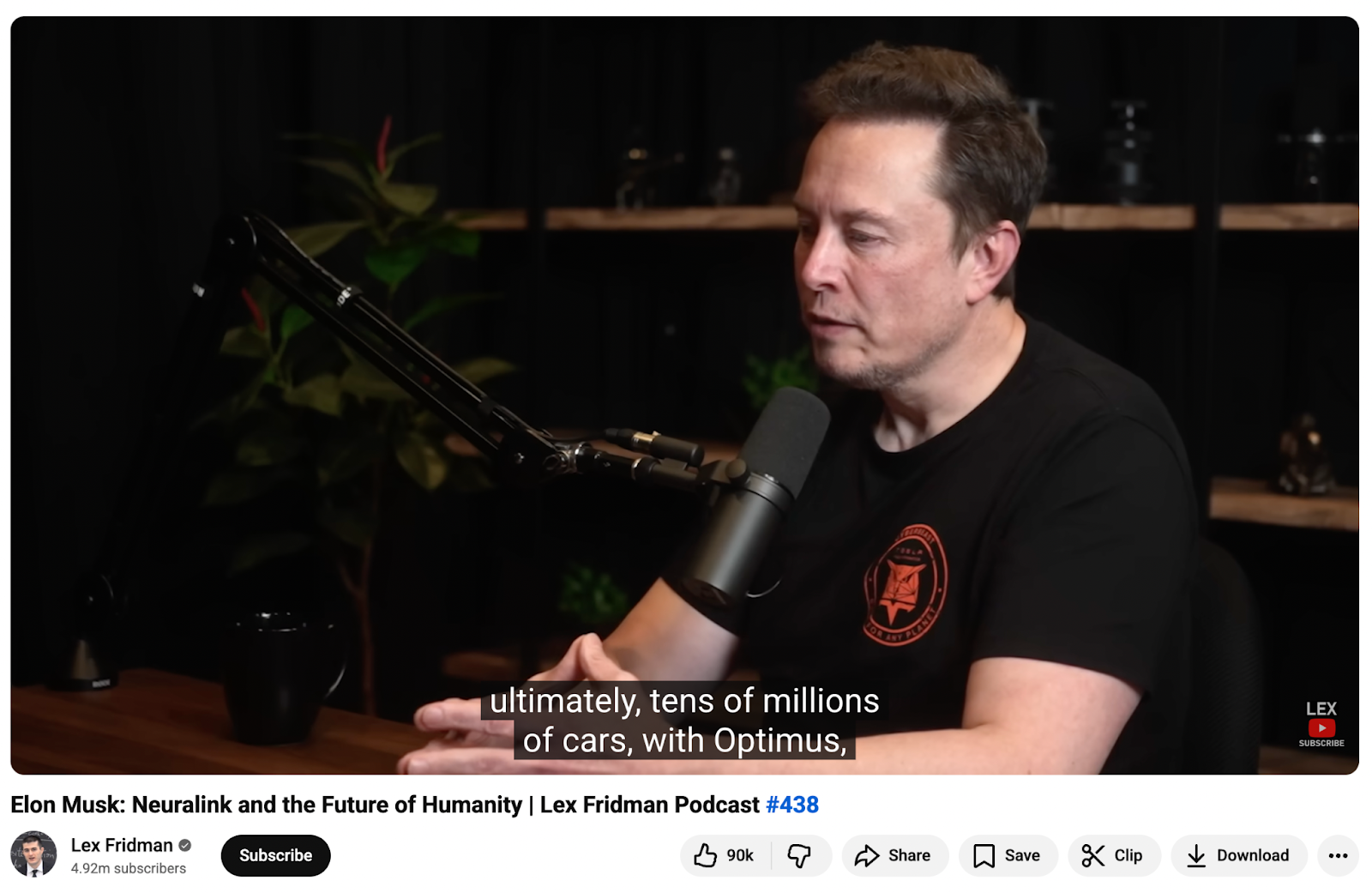
Look, for example, to the relatively new rise of the multi-hours long podcast. Podcast megalith Joe Rogan helped pioneer the format: he regularly hosts conversations that last three hours or more. Now that format is being widely copied. Tech podcaster Lex Fridman recently hosted a nearly nine-hour conversation with Elon Musk and other executives at Neuralink. At the time of writing, in January 2026, the video had 4.5 million views.
Meanwhile Substack, the platform for longform online writing, has now surpassed 2 million paid subscribers, with the average reader spending twelve minutes per newsletter.
People waking from their zombiedom are seeking out content that offers depth, nuance, complexity. They're hungry for voices that treat them as thinking beings, rather than engagement metrics to be optimised.
The implication for brands?
The race to the bottom for attention is not the only path available to you now. The rising opportunity now is to build genuine relationships through content that takes its time. Content that speaks to the unlimited self.
Sure, deploy that new TikTok campaign. But how about a partnership with a Substack writer, who’ll deliver deep, longform writing to your audience?
How might your brand leverage longform to build deeper relationships with those waking from zombiedom? It's a question worth taking to your next team meeting.
Services for the Awakened
Beyond content, there will be powerful implications for digital services. Apps. Platforms. The infrastructure of the theme park itself.
For two decades, the mantra has been frictionless. Remove every obstacle between desire and satisfaction. Make it seamless. Make it instant. One-click. Zero wait.
But if the awakening is real, then a new category of digital service is emerging; one that inverts the imperatives typically associated with online experiences. Think, here, about digital services that don't remove friction, but add it. And services whose principal aim is to help users liberate themselves from their little self; from the tyranny of their own immediate preferences. These are apps intended, above all, to empower users to access the deeper, unlimited self. The person that they want to be.
These kinds of services will build on foundations laid by others with the same kind of aims. An app called Freedom, for example, has existed for years: it allows users to block their own access to websites that they find distracting. But Freedom was a niche tool for the productivity-obsessed, and it never achieved much more than a cult status.
What's coming is broader.
Here's a question. How many people would embrace a banking app that makes impulsive spending harder rather than easier?
How about a retail app that enforces a cooling off period? Which bank or retailer will be first to partner with one of the independent apps that offer this kind of service?
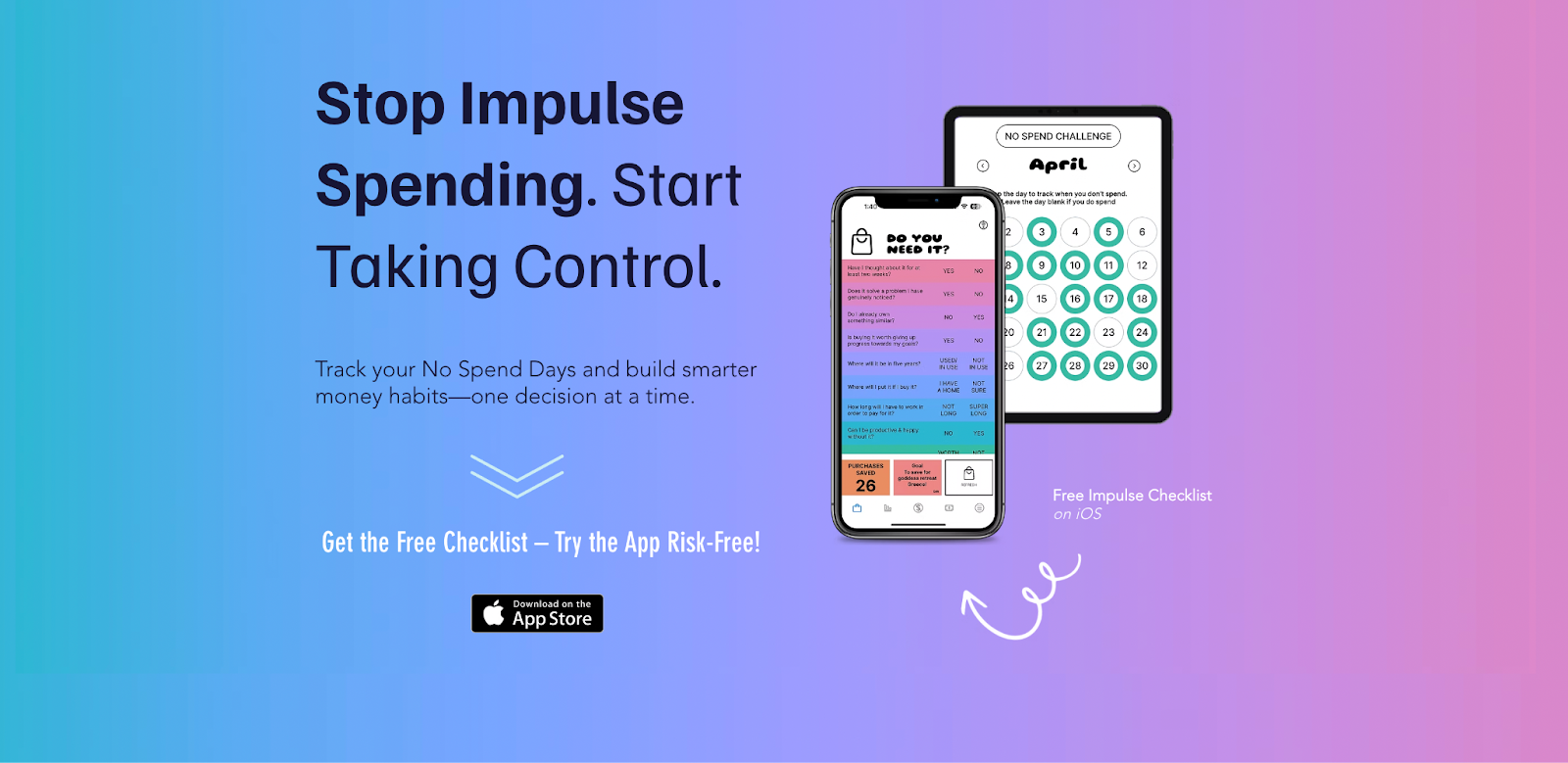
Or imagine a health app that imposes a real penalty — say, a financial penalty — for bad diet and exercise decisions?
These ideas would have seemed almost absurdly fringe five years ago. But amid the new awakening — the determination to friction-maxx, to choose higher values over immediate preferences — that has changed.
Social Media for the Awakened
It’s worth taking a moment for another powerful question. What does social media look like in the age of the awakening?
The current platforms are optimization machines. They are designed, at every level, to maximise engagement. Which in practice means maximising the exploitation of our attention.
But there is a vacuum here. A gap in the market, if you want to think of it that way. Though it's more than that. No major platform yet exists that is designed, from the ground up, to serve those who are awake. A platform that prioritises depth over engagement. Connection over addiction.
Who will build the first social platform for the awakened?
It would be something genuinely new. Not a detox app bolted onto the existing infrastructure. But a reimagining of what social technology could be if it were designed to help us access our unlimited selves.
The opportunity is immense. And yes, the business model is far from clear; it would have to rely on some form of user subscription payment, rather than ads.
But someone will figure it out. And when they do, they'll have built something that matters.
Every Industry is the Tobacco Industry
As rising numbers become awakened, established brands will have to reposition around this shift. And here's a thought that may be uncomfortable for some.
For a surprising number of industries, the future looks something like the present of the tobacco industry.
Consider: tobacco companies now make a significant portion of their revenue from products designed to wean people off their addiction to the products they used to make. Nicotine patches. Vaping devices marketed as cessation tools. We hooked you on cigarettes; now here is the cure. This imperative is now Philip Morris’s entire business model. It fuels their new slogan: Feel the Power of Amazing.
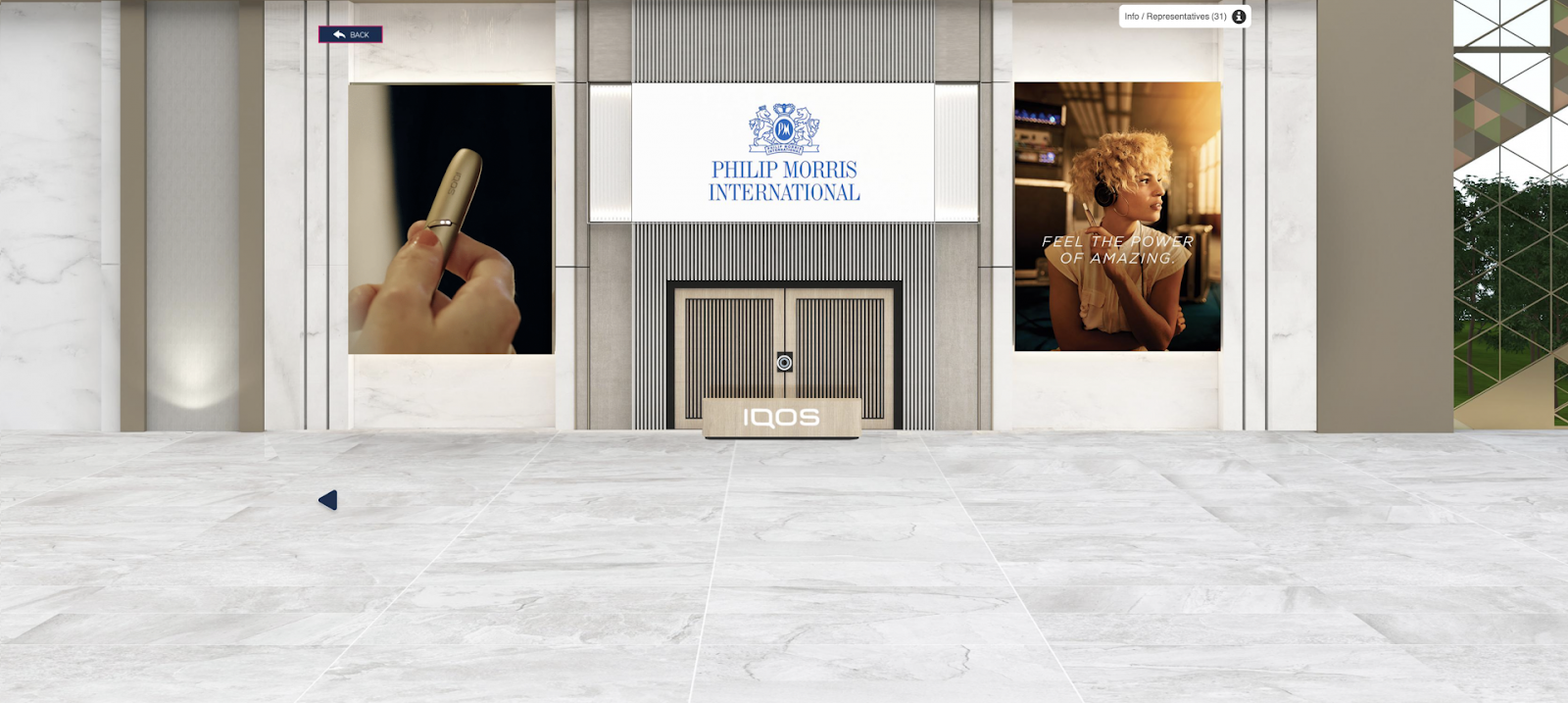
What I’m saying is: this dynamic, in one form or another, is coming to many industries.
The food conglomerates that engineered hyper-palatable, addictive products. The high street banks that let us wade into endless credit card debt. The social platforms that captured our attention. Many of them are going to have to find their own version of Feel the Power of Amazing.
A caveat here. This isn't a simple morality tale. Many of the people working inside these companies genuinely want to help. The shift isn't purely cynical. But the structural parallel is hard to ignore.
If your business model was built on serving the little self, the awakening will eventually force a reckoning. The question for many brands will be whether they lead that transition, and win some respect in the process. Or whether they are dragged through it.
Brands for the Unlimited Self
Meanwhile, the awakening presents vast new opportunities to build entirely new brands. Brands built, from the inside out, around empowering people to access the unlimited self.
Again, we can look to another organisation for guidance. Nike built an empire by speaking not to our preference for comfortable shoes, but to our desire to be athletes. To push ourselves. To transcend our limitations. Nike speaks to the unlimited self.
Now this model is coming to many more industries. What would it look like if a radical new consumer-facing technology brand positioned itself not as a servant of our immediate preferences, but as allies in our liberation from them?
I think we’re going to find out. And we’ll see new brands built around this positioning in food, wellness, finance, and other domains. I think that a return to physical presence, and the centrality of in-person connection, will be key to what many of these brands offer into the world. In a world of endless digital microhits, they'll pivot to the physical and the analogue.
These brands will be animated by a new kind of DNA. At heart, they’ll need to have courage. The courage to say: we’re not just going to give you what you want. We have a set of values: about what’s good for you, and who you can be. And we’re going to make you abide by those values. We’re here to help you become a higher version of yourself.
This is a different value proposition. It requires a different kind of relationship with the customer. It demands a kind of respect that much of contemporary marketing has lost.
But for brands that can pull it off? The loyalty will be profound.
The Next GLP-1 is an Enlightened AI
Earlier in this essay, I talked about AI companions as the terminal station of immediate preference satisfaction. Synthetic counsellors, friends, and partners trained to tell us what we want to hear. The ultimate zombification engine.
But it doesn't have to be this way.
What if we designed an AI companion to do the opposite? What if, instead of trapping us deeper in the theme park, its principal purpose was to help us find the exit? To help us become, and stay, free?
In practice, this would mean an AI companion whose purpose is to transform our relationship with the internet, and its endless exploitation of our attention. A companion that helps us notice when we’re falling into compulsive patterns; or, ideally, keeps us away from the platforms that enact those patterns. A companion redirects us toward the real world, and one another. That reminds us of our higher values. That protects our attention rather than stealing it. That makes the work of being present — of being awake — not harder, but easier. Effortless, even.
This is the kind of AI companion that is latent in the idea that millions of zombies are now rising into a new awareness.
We might think of it as a kind of digital — and all-purpose — GLP-1. A magic-seeming intervention that liberates us from the tyranny of immediate preference satisfaction, and makes that liberation easy.
Such an AI companion would effect socio-cultural transformation at a scale that would make even the impact of GLP-1s seem minor.
You might think of this kind of AI companion as the anti-phone. A new piece of consumer-facing technology designed to give us back the part of ourselves that our phones stole away. We all know that the designer most associated with the phone — surely the most consequential designer of the 21st-century — is now working with OpenAI CEO Sam Altman on a new AI device:
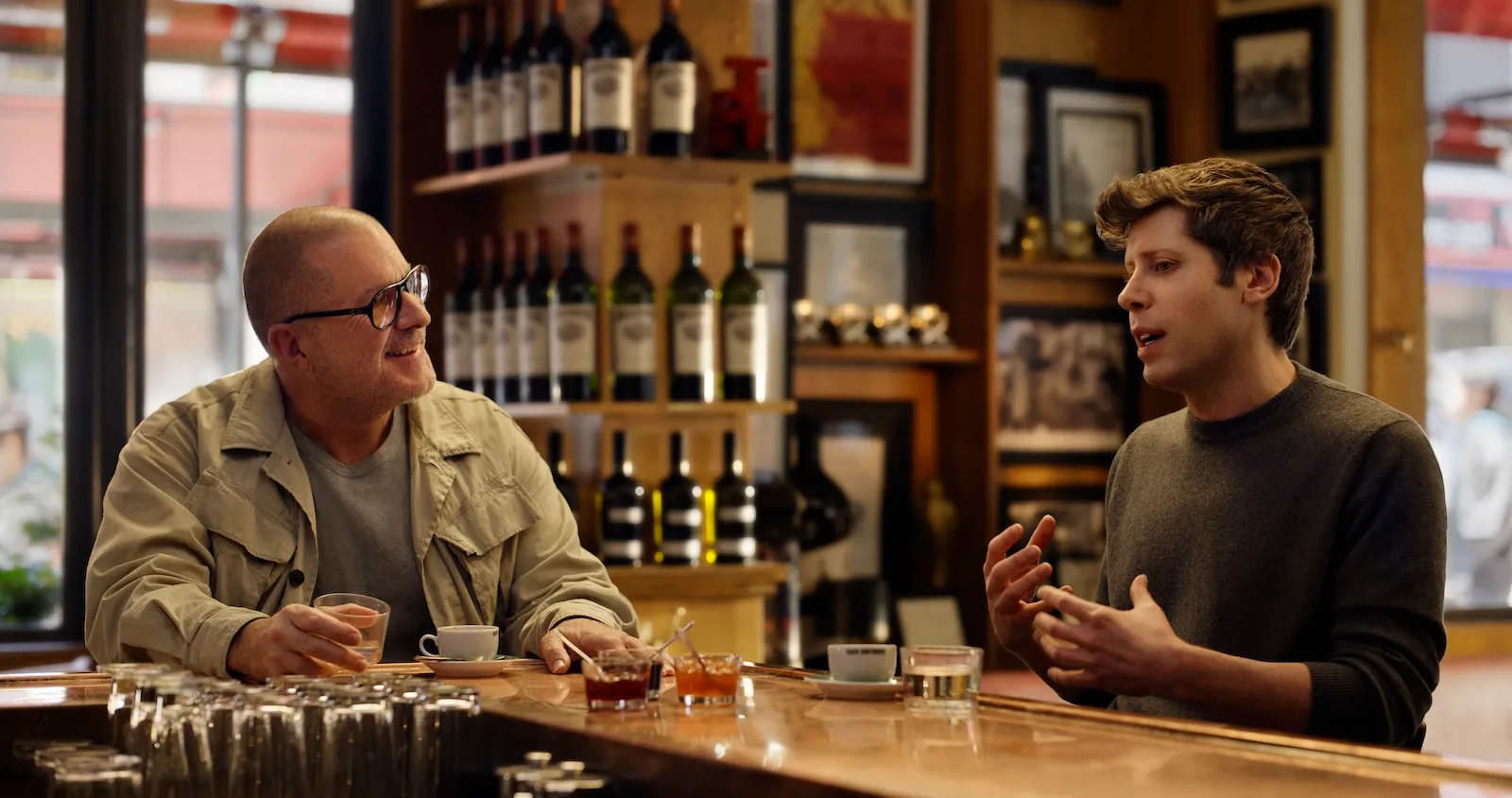
Reports are that this device will be screenless. Given how addictive we now know screens to be, that’s a good start if it is intended to empower the zombie awakening.
I’m not naive enough to imagine that the device Jony Ive and Altman are working on will really be intended to liberate us from the theme park. But it will be interesting to see the extent to which they pay lip service to that idea.
And if they do pay that lip service, then perhaps more authentic attempts at an AI companion for the unlimited self are a part of our future.
It could be the innovation that changes everything.
The Deepest Implication
That was a rapid tour of the key implications I see flowing out of awakening that’s happening now. I’ll come back to many of them in future.
But we need to make space for one final, and crucial, thought. It’s this: there will always be money to be made by serving the zombies.
Yes, I’ve argued here for a socio-cultural shift towards what I’ve called awakening. Towards, that is, a determination to choose freedom from the tyranny of endless immediate preference satisfaction. But the theme park will always exert a pull over us. And it’s not going to close. Many brands and businesses will continue to operate exactly as they always have: optimising for engagement, serving the little self, keeping consumers shuffling through the loop.
So the deepest implication of everything I've described here isn't for brands. It's for individual creative professionals. Marketers, product designers, founders, strategists, writers, and more.
As a creative professional, you face a choice. Which way are you going to go?
There are all kinds of dividing lines across our society in 2026: political, cultural, generational. But perhaps the most meaningful dividing line for those of us who make things for other people is this:
Is your work serving the zombies, or those who are awake?
We've all done work that serves the zombies. No shade. We all have obligations to meet. Bills to pay. Clients to satisfy. I'm not here to judge.
But it strikes me that when it comes to the creative life, understood in its broadest sense, this is the most meaningful dividing line now. The one that will matter most, looking back. And if you want to be on the right side of it, the first step is simply seeing that this line exists.
The zombies — me, you, all of us — are waking up. The question is: what will you make for them?
Read Next

Is AI stretching your people?
Guest essay

Sign up for our webinar on how AI is changing Design
Event series

How is AI changing design?
Part III

How is AI changing Design?
Part II
Comments