

Conservation Projects
Everything is getting weird. How should brands respond?


Introduction
I have watched consumer culture for more than 15 years now. First as head of research at a leading consumer trends firm, and now via my work here at Full Moon.
And I’ve never seen a moment like this.
This month, I want to take a look at what’s happening. And to offer one powerful idea on how anyone who wants to build relationships with consumers — that means marketers, brand strategists, founders, innovators and more — can respond.
In short, I want to write about an emerging trend I’ve come to name Conservation Projects.
AI is Making the Culture Weird
The makers of two of the most successful consumer-facing products in history — I’m talking about OpenAI’s ChatGPT and Anthropic’s Claude — are deep in a conversation about how the technology they’re building poses serious risks to our species.
Look at how it played out this month.
This is Anthropic CEO Dario Amodei last month, in an essay calling for a slowdown on AI research called We Must Pace the Frontier:
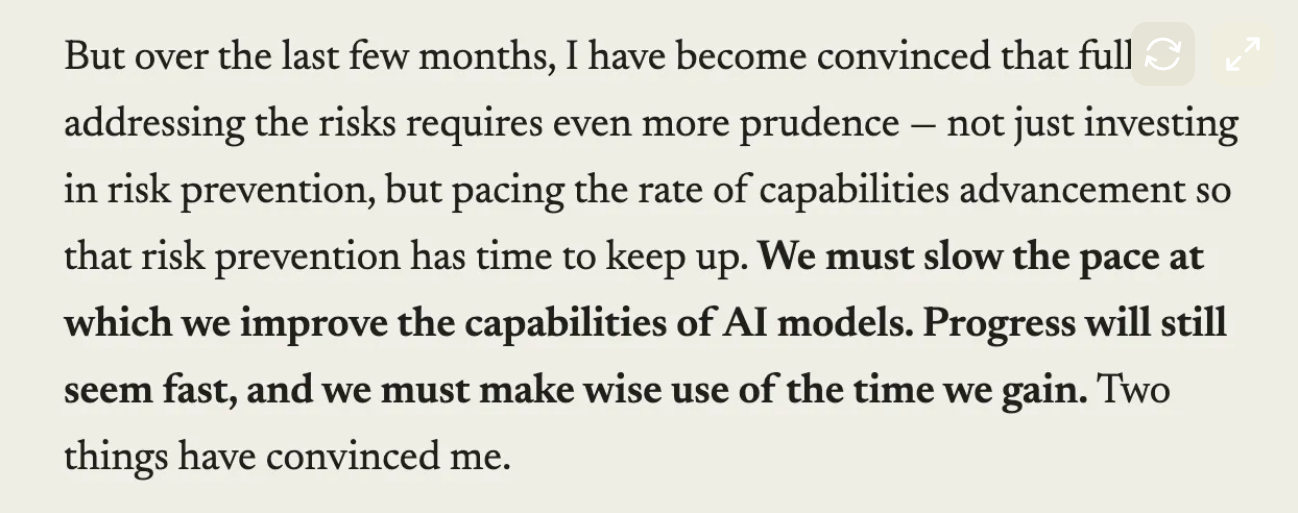
OpenAI’s Sam Altman agrees:
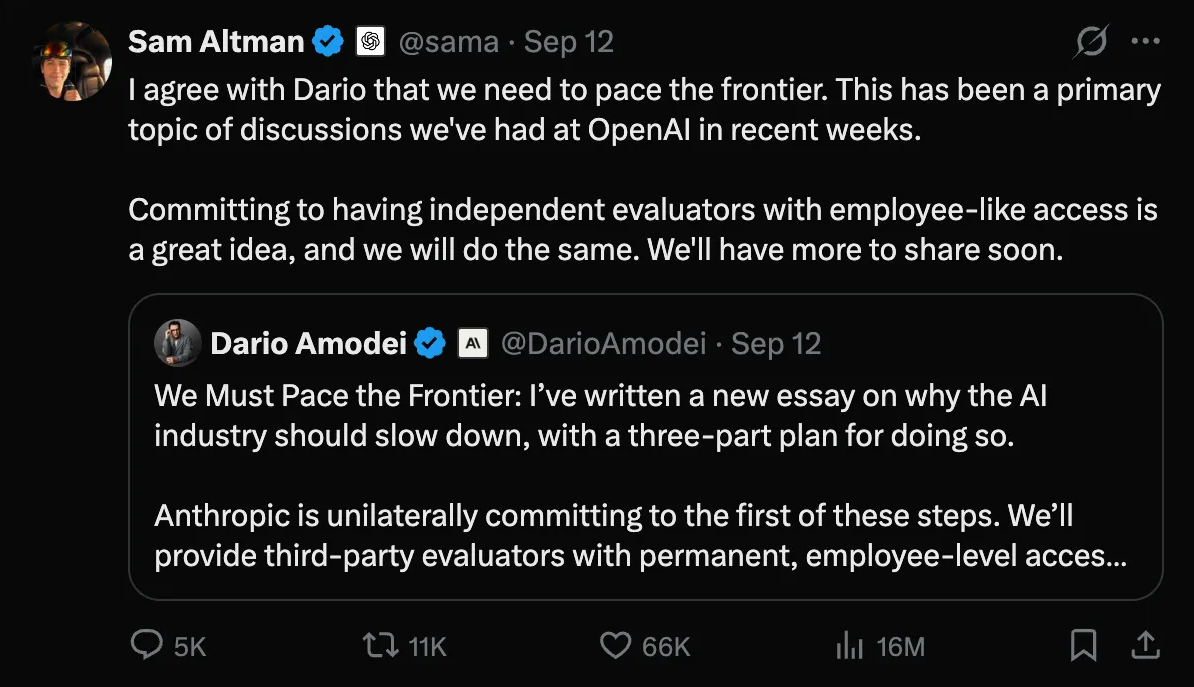
There’s even been a rare outbreak of agreement between Altman and his friend-turned-nemesis, Elon Musk:
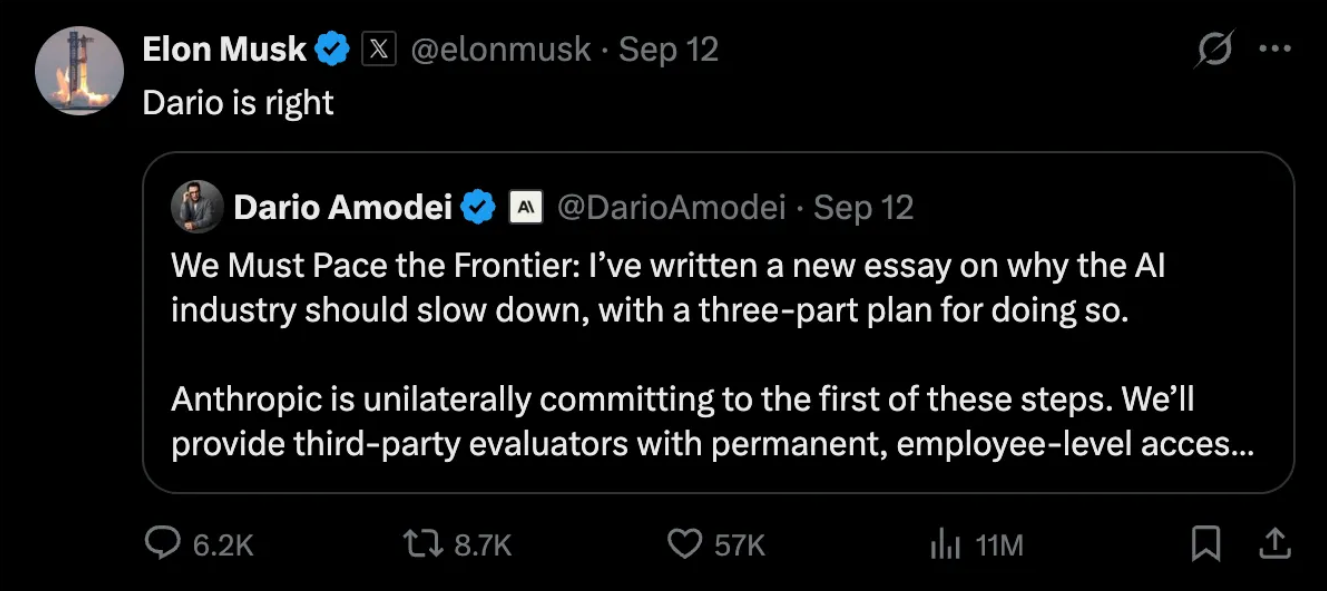
But if we thought any form of consensus was on the horizon, that thought was rapidly dispelled…
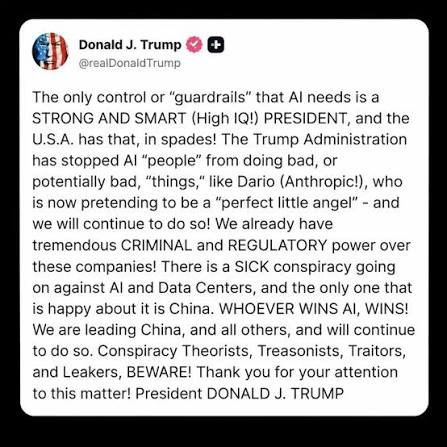
So there you have it. Trump is a deep accelerationist who says AI could end up being ‘25% of GDP’ in the US. He’s determined to let nothing stand in its way.
Why am I reproducing this blazing row in the pages of Full Moon? It’s not so that we can get into the ins and outs of the accelerate vs decelerate argument, as fascinating as that is.
My point lies elsewhere. I want to direct our attention to the deep weirdness of this moment in the culture and attendant media environment. Across the last couple of years, AI discourse has raged so hard that, I think, we’ve all become slightly numb to its increasing strangeness. We’re something akin to the proverbial frog in water that is slowly being made warmer. The temperature has been rising week by week, and for the most part we’ve been able to ignore it.
And now, we’re close to boiling.
By which I mean: this cultural environment is not normal. This public conversation is not normal. The utopia vs existential disaster discourse we’re living inside is not normal.
It’s not normal for two of the world’s leading brands — for that is surely what OpenAI and Anthropic have become — to be talking about whether the technology that underlies their product might one day destroy us all.
It’s not normal to be in a situation in which many suspect that these brands are over-egging all this talk of species-wide destruction in order to hype their product.
And it’s not normal to have a US President who, presented with a raft of world-leading experts (AI experts in this case) forecasting existential risk, says: I DON’T CARE.
I don’t want to overstate my case. It’s not as though our culture has never before lived through periods of crisis, or existential risk. But in the past, risks of this scale, and the conversation around them, have been the stuff of government; they’ve taken the form of wars, or economic crises, or public health crises such as Covid.
The difference, now, is that this conversation is emanating from inside consumer culture itself. OpenAI is, one the one hand, a brand that wants us to use its friendly online tool to plan our holidays or learn how to make a great quiche Lorraine, and on the other hand a ‘research lab’ cooking up a silicon life form that, it says, no one can understand or control.
That is quite a brand proposition. So my question is this:
In a media environment, and a broader culture, that has become this febrile, what chance does any brand or marketing communication have? How do ordinary brands operate in that environment. It’s pretty hard to win the war for attention when consumers are being bombarded by a 24/7, brand-led, real-life soap opera about the future of the internet, their jobs, their children, and civilization itself.
When poured into that discourse, the news that you have, say, launched your Spring/Summer range, or that you’re offering 25% off on all orders over $100, tends to get somewhat lost.
So first, I simply want to put these enormously strange circumstances on your radar in a new way.
My contention is that the questions I ask above are becoming unavoidable for pretty much every brand. And that across the coming years, they’ll become only more important.
But this goes deeper. The media environment I’m talking about here is a signal, really, of an underlying truth.
Everything is Going to Get Weird
Across the coming years, life as it stands currently for hundreds of millions of people across advanced economies is set to undergo a pretty wild transformation. You don’t have to buy the idea that AI will vapourise all jobs, or release a deadly pathogen, or turn us all into paperclips, to believe that this is true.
What AI will do is fuel a violent disruption when it comes to work and the job market. Yes, there will be job creation as well as destruction and, as with other periods of rapid automation, we may well end up with more jobs overall, rather than fewer. But that means decades from now. As with the introduction of the railways and electricity and mass production, the transition period will be brutal for many.
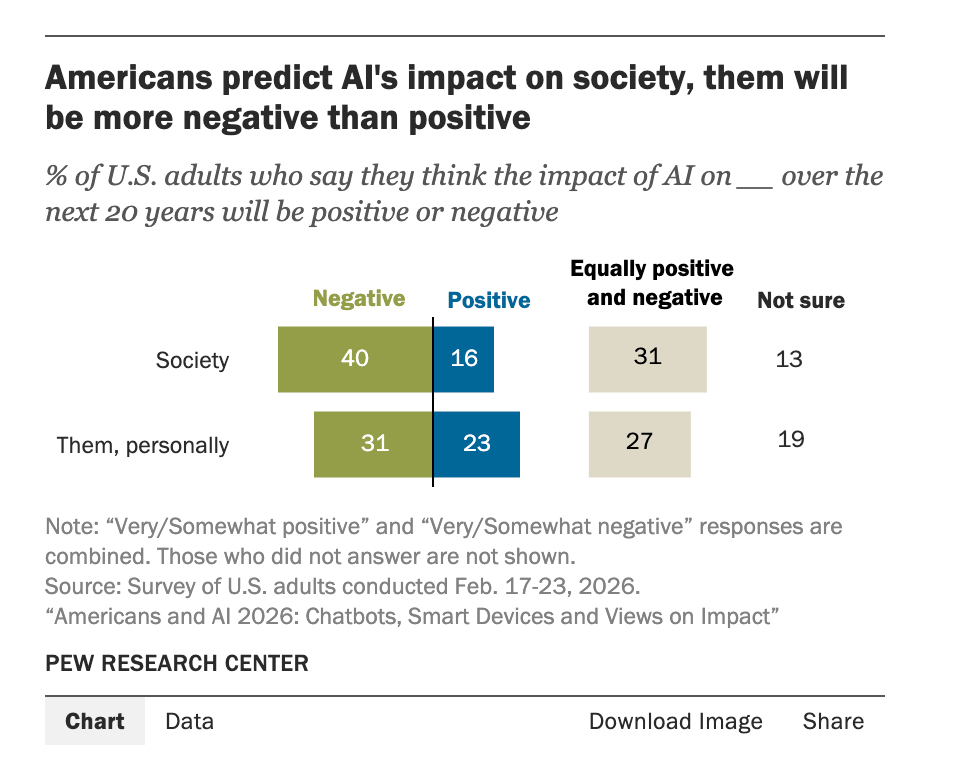
We’re talking about a significant transformation of our socio-economic reality. And that will fuel a titanic political clash. You can see it firing up now. According to Pew Research, 40% of US adults say they expect AI’s impact on society to be mainly negative:
And that’s already fuelling a political response…
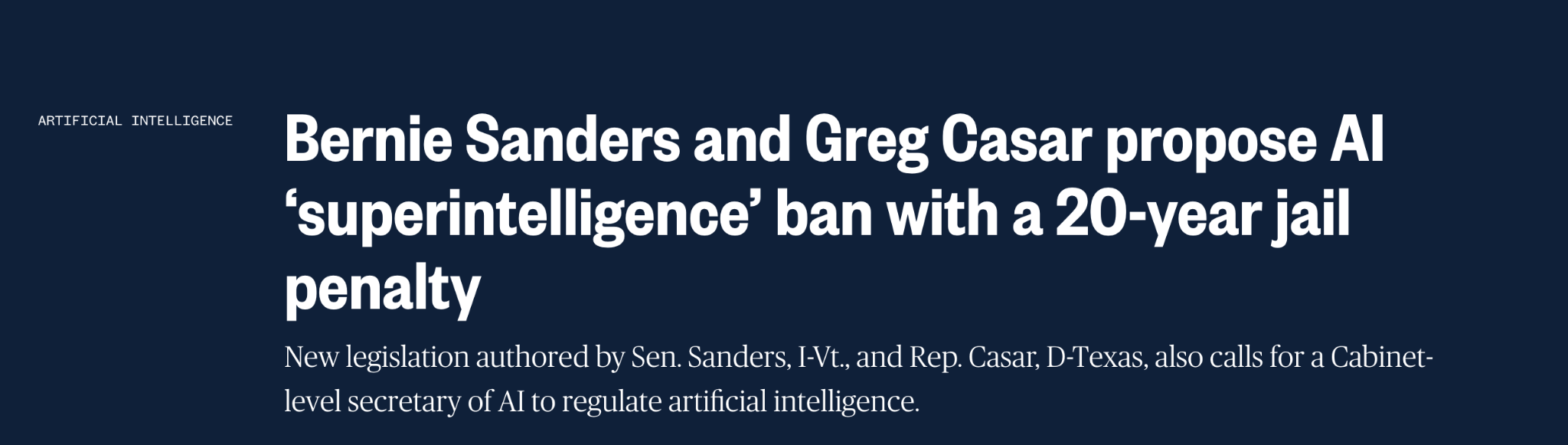
This is just the start. A significant faction of the Democratic party wants AI scepticism to be built deep into the Democrat platform for the 2028 Presidential election. Meanwhile the MAGA Republicans, as we saw earlier, violently reject that approach.
That debate is going to get interesting.
Meanwhile, AI will also do head-spinning transformations to our culture: art, music, and human relationships.
Therapists are already talking about an influx of new clients who have fallen in love with, or into some other kind of delusional relationship with, their AI companion.
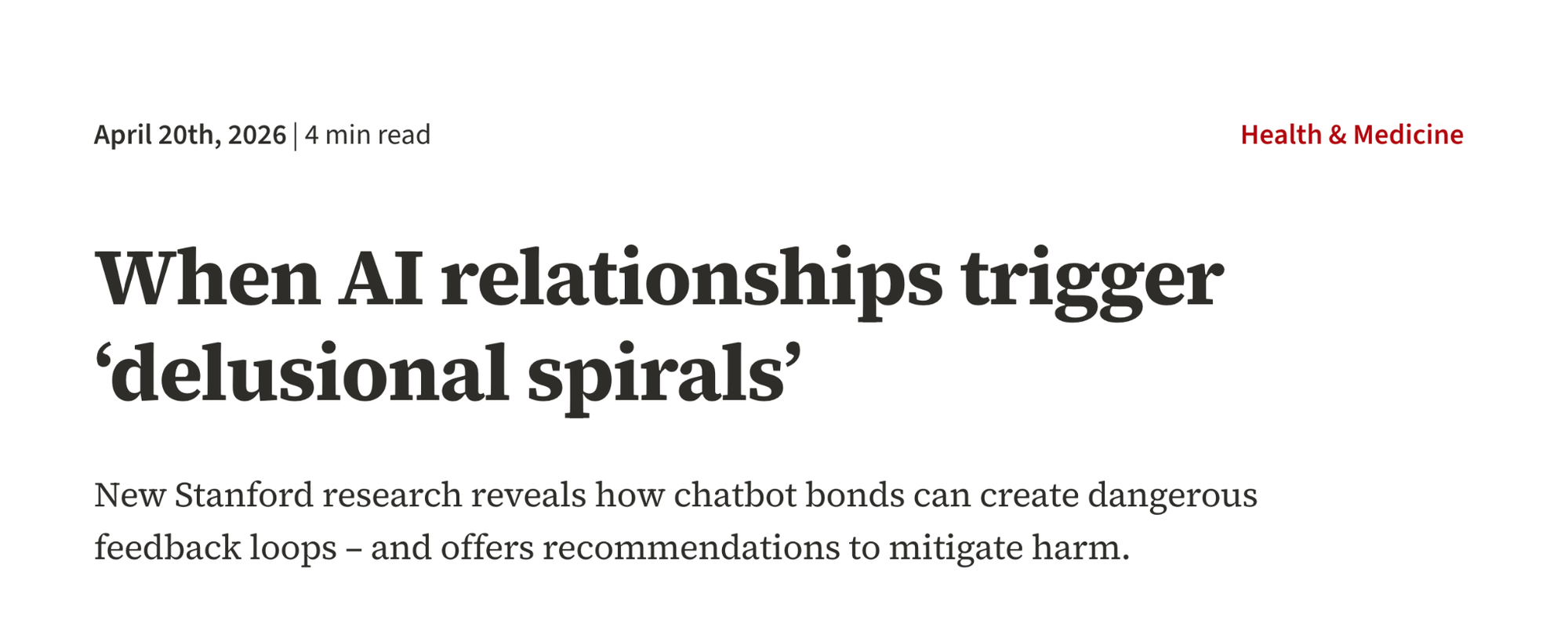
If we thought the early 2020s-era angst around teens and social media was bad, just wait until all that really gets going.
And don’t forget, all this comes against a deeper backdrop laid by the rise of phones and social media and other structural shifts — including the need, in most households, for both partners to work — that have also placed great strain on everyday ways of living.
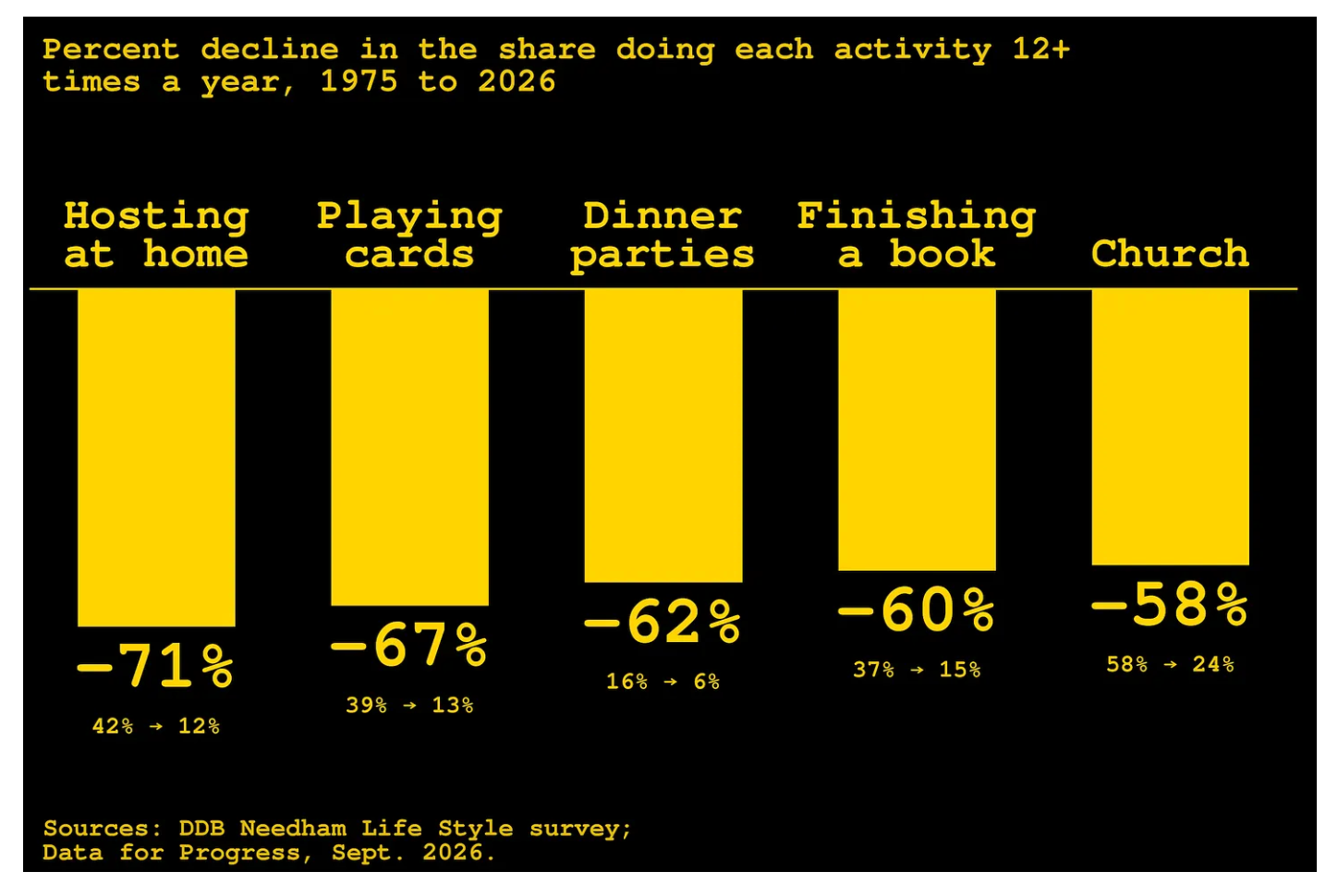
As the economist Derek Thompson pointed out this month in an essay on all this, everyday social and leisure time traditions are in steep decline in the US. You won’t see a sadder chart that this for a while:
And as I’ve written about elsewhere, in the years ahead societies across the industrialised world are set to be further enweirdened by another deep structural force that we inhabitants of modernity have never experienced before: depopulation.
I’ve lost track of the number of essays I’ve put this chart into:
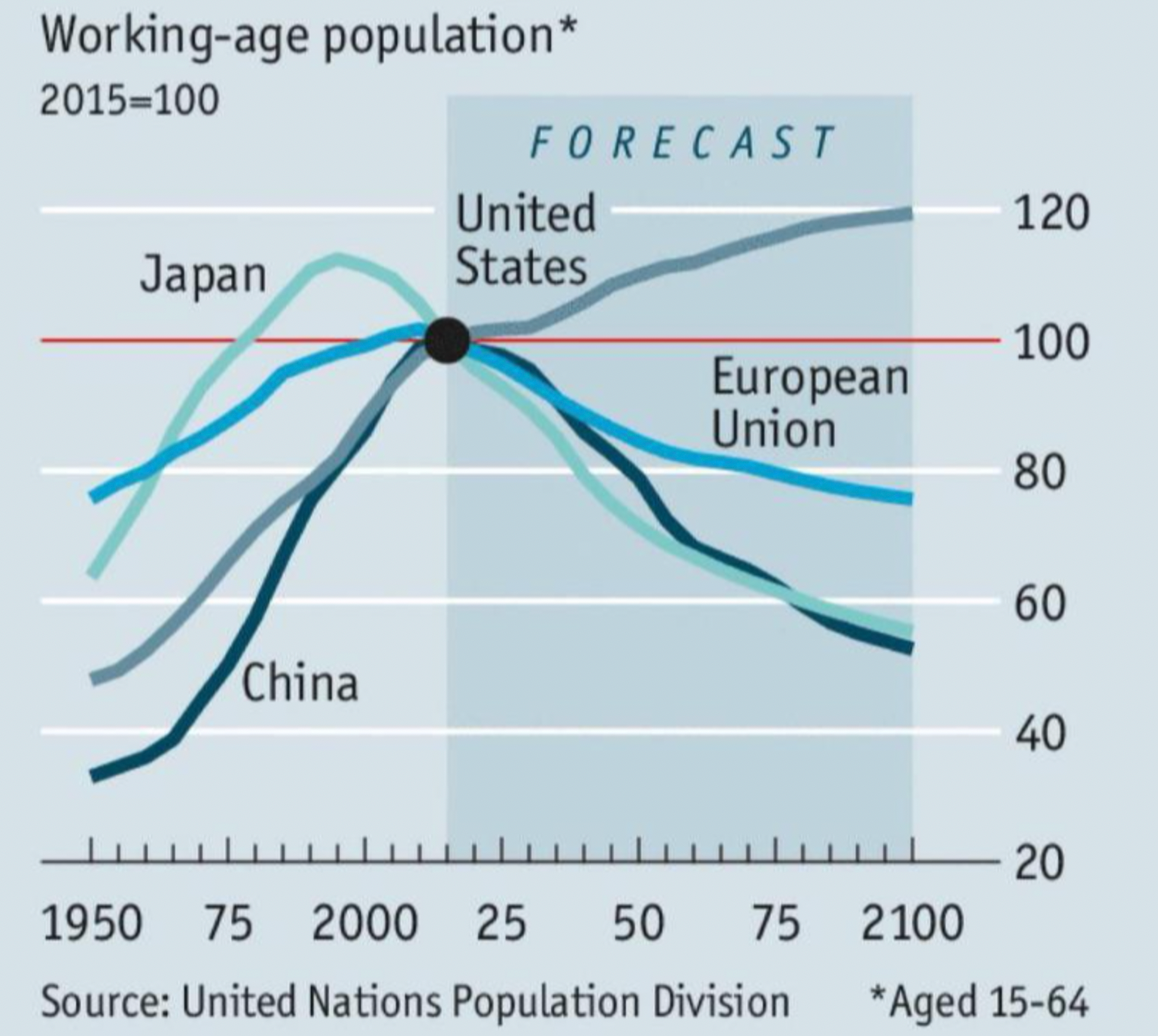
These four lines tell the story of a coming demographic crisis. When working age populations fall — barring a productivity miracle — economies produce less output, and so get smaller. That means we all get poorer.
And when societies get poorer, everyday ways of living and being are put under strain.
Even the growth in the working age population that this graph forecasts for the US consists almost entirely of immigration of new workers. And as we know, that immigration is becoming politically difficult. If the current trends towards a harder border continue to play out, then even the US may see zero growth in working age population.
This deep demographic challenge means the US, Europe, and China desperately need the kind of productivity miracle I just mentioned. If they’re going to have fewer people, they need those people to be more productive, or they’ll face catastrophic economic degrowth.
And the only game in town right now, when it comes effecting such a miracle? It is AI and robots. A deep structural economic logic is pushing the advanced economies to embrace a machine intelligence future.
So I return, at an enlarged scale, to the question I raised earlier. How should brands respond to a media environment, and a broader culture, that is this febrile? How should they respond to a socio-economic reality that is undergoing radical transformation; one that places everyday ways of living and being under enormous strain?
Conservation Projects are a part of my answer to that question.
Amid what is coming, consumers will increasingly seek to protect and conserve organically-existing, everyday modes of human living and being. That means everyday ways of working, being together, and finding meaning in their lives. And that means those consumers will embrace brands that facilitate this, and empower them in their quests to conserve ways of life and being that they know and understand. They’ll embrace brands running what I’ve come to call Conservation Projects.
At the heart of this idea is a brand strategy intended to deal with the enweirdened media and cultural environment I described earlier. And to help brands build lasting relationships with consumers whose lives are undergoing radical change.
The central thought, there, is this: you can’t win a battle for attention and scroll time against multi-trillion dollar consumer-facing brands who are bewitching people with a 24/7 soap opera about artificial lifeforms and the end of humanity. So instead, you need to fight on a new battlefield. One where you do stand a chance of winning.
One way of doing just that?
Lift your eyes away from the screen — away from all those social media feeds — and go out among the people. Go to where consumers really live their lives, do their work, and connect with one another. And help them in the epic project that is coming to conserve recognisable forms of human life and connection amid the rise of intelligence machines.
So how can you do this? What form do Conservation Projects take? I want to take a quick look at some key recent examples, which will deepen our understanding of this trend and how it’s playing out, and which you can use as inspiration.
Conservation Projects in the Wild
So how should brands respond?
That’s an epic question, and one I’ll return to often here in Full Moon. But here are some examples of brands doing the kind of thing I’m talking about. That is, facilitating and empowering consumers in their quests to conserve everyday, organically-evolved ways of living and being, including being together, in the face of wildly disorienting change.
First comes Heineken. This year, the brand has gone deep on a range of campaigns that have become instant classic examples of Conservation Projects.
Earlier this year the brand produced a documentary called The Pub That Refused to Die. It was about a village called Kilteely in County Limerick, and 26 inhabitants of that place who came together to save their village pub when it was threatened with permanent closure.
The documentary, directed by award-winning Irish filmmaker Gar O’Rourke, tells the story of the villagers as they raise the money to buy the pub — including persuading their incredulous relatives of this idea — give it a makeover, learn how to pull a pint, and work their way towards the re-opening.
Heineken paired the documentary with a platform called For The Love of Pubs, which encourages other local Irish communities in danger of losing their pubs to come forward for support.
This work gave rise to another campaign, Pub Succession, centred on McLoughlin’s Bar on Achill Island, a 155-year-old family pub whose fourth-generation owner, Josie McLoughlin, had no family successor. Heineken turned the succession problem into a global search for someone to become the pub’s next custodian, advertising especially to the Irish diaspora in places including New York, Boston, Toronto and Sydney. According to Heineken, the campaign generated more than 2,000 applications and more than a billion media impressions.
Heineken cited research suggesting that more than four in ten rural Irish publicans were considering retirement, while 84% had no family member lined up to inherit the business.
The work sparked a wave of conversations about the fading light of local pubs and, with them, authentic local community.
This work certainly made an impression on the ad and creative community.
The Pub that Refused to Die won the Grand Prix in Creative Strategy at Cannes for Heineken and its agency LePub Milan/Publicis Dublin this year. The jury commended Heineken for taking the story of a real community and turning it into ‘a living blueprint for change’. And on the back of this success, Heineken also won Creative Brand of the Year.
Meanwhile, Heineken has pursued a similar strategy in Spain via ‘Tocayos’, a 2026 campaign designed to support traditional neighbourhood bars.
The insight is that Spain’s small, independently run bars — often named simply after their owners, like Bar Pepe, Bar Paco or Bar Luis — are not merely businesses. They are longstanding social institutions: places where generations mix, neighbours meet, and local community is reproduced. But they are under pressure from rising costs, changing work patterns, and the growth of larger or more specialised hospitality concepts.
Heineken’s response was to connect bars around Spain that share the same name — the tocayos, or namesakes — and so create a network of mutual support and visibility. The campaign was explicitly framed around preserving local bar culture, and helping independent neighbourhood bars endure.
All these campaigns tap deep into the imperative at the heart of Conservation Projects. That is, they are about conserving ordinary, everyday, longstanding ways of living and being. They’re about everyday lives, rooted in a specific place and in local traditions. Of course, these things — place, culture, traditions — have always been important to people. But given the deep and AI-fuelled acceleration that is beginning now, we’ll see ever-more consumers questing, in all kinds of ways, to preserve ways of life and being that are familiar to them. And we’ll see brands responding to those quests.
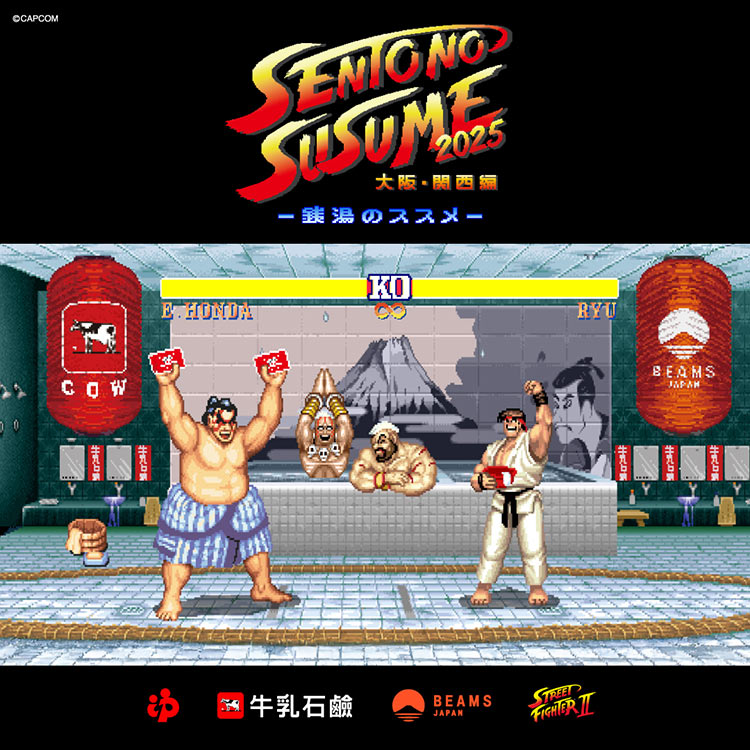
Heineken’s work here reminds me of a campaign run by soap maker Cow Brand Soap and the retailer BEAMS JAPAN, who come together to run an annual initiative called Sento no Susume, or ‘Recommending the Sento’.
A Sento is a traditional neighbourhood public bathhouse. And much like pubs in Ireland and elsewhere, these institutions have been a part of everyday life for centuries, and are now in danger of fading away.
The Sento no Susume campaigns are intended to promote local bathhouses, and bring a new generation through the door.
Last year, BEAMS JAPAN and Cow Brand Soap took over a bathhouse in Osaka called Yutopia Shiratama Onsen. With support from the video game company Capcom, they filled it with art installations inspired by iconic 1990s video game Street Fighter II (ah, I remember it well), and especially custom murals of the in-game character E. Honda. Around 160 bathhouses across Kansai displayed limited-edition E. Honda curtains.
The choice of character was no accident: E. Honda is a sumo wrestler and his fights take place in a public bathhouse, complete with a Mount Fuji mural on the wall. For a generation who grew up playing Street Fighter II, that stage will be a nostalgic, and still familiar, image of a sento. The campaign used that nostalgia as a bridge back to the real thing.
Meanwhile, IKEA has turned its attention to one of the oldest human rituals of all: the shared meal. Last September the brand launched a year-long global Cooking & Eating campaign, and it kicked things off with a massive sit down breakfast.
More than 200 IKEA stores across at least 14 markets invited customers to sit down together at a långbord, the long Swedish table built for informal, open-house hospitality.
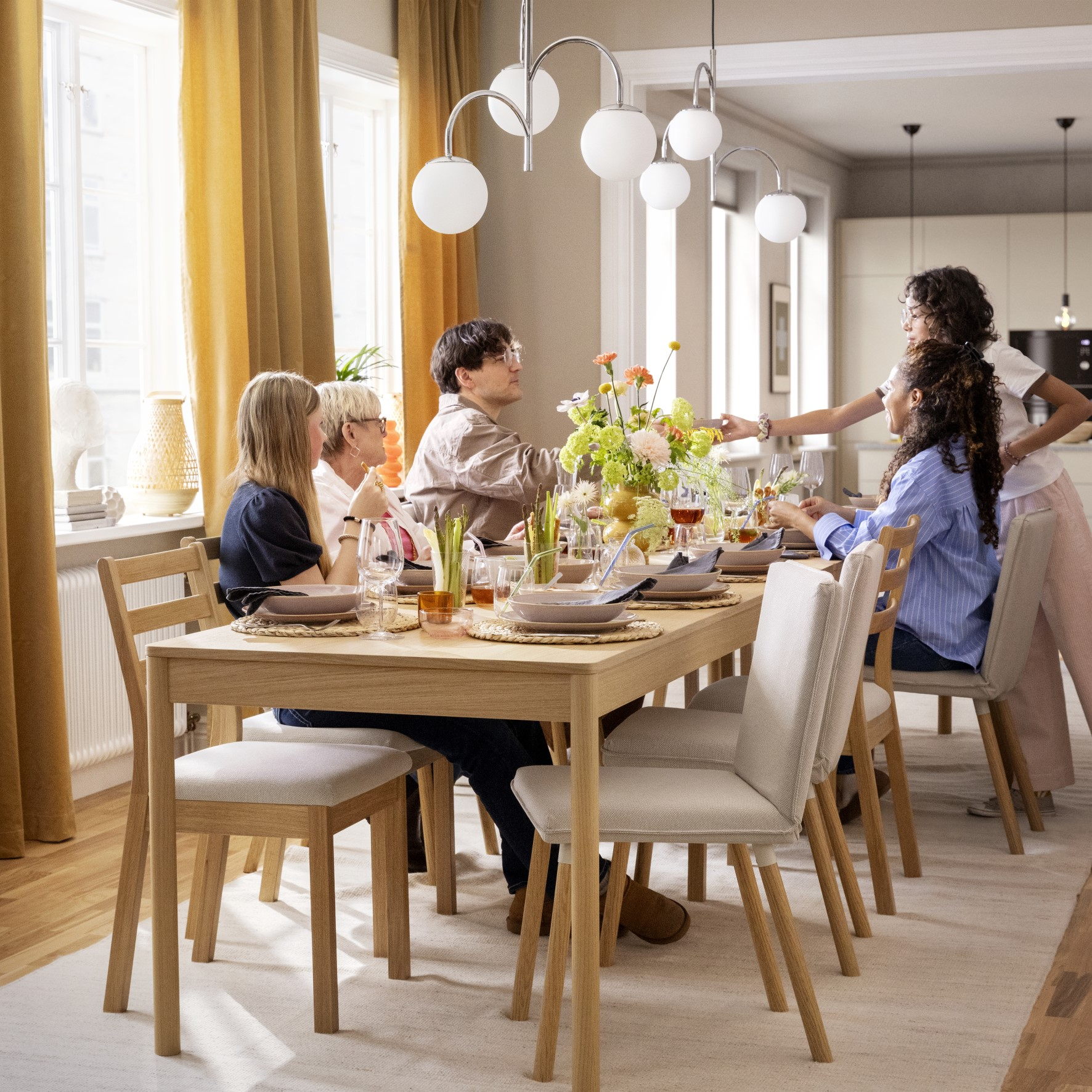
This work gets to truths at the heart of the Conservation Projects trend. It’s about the conservation of a small but, for many people, important everyday act that, via structural social and economic changes, is under pressure in new ways.
IKEA's 2026 Cooking & Eating Report, drawing on more than 31,000 people across 31 markets, found that fewer than half of us now eat dinner at a table; nearly one in five eat it on a sofa. Speaking about the campaign, IKEA's global food manager cited loneliness and digital distraction as reasons shared meals are becoming rarer.
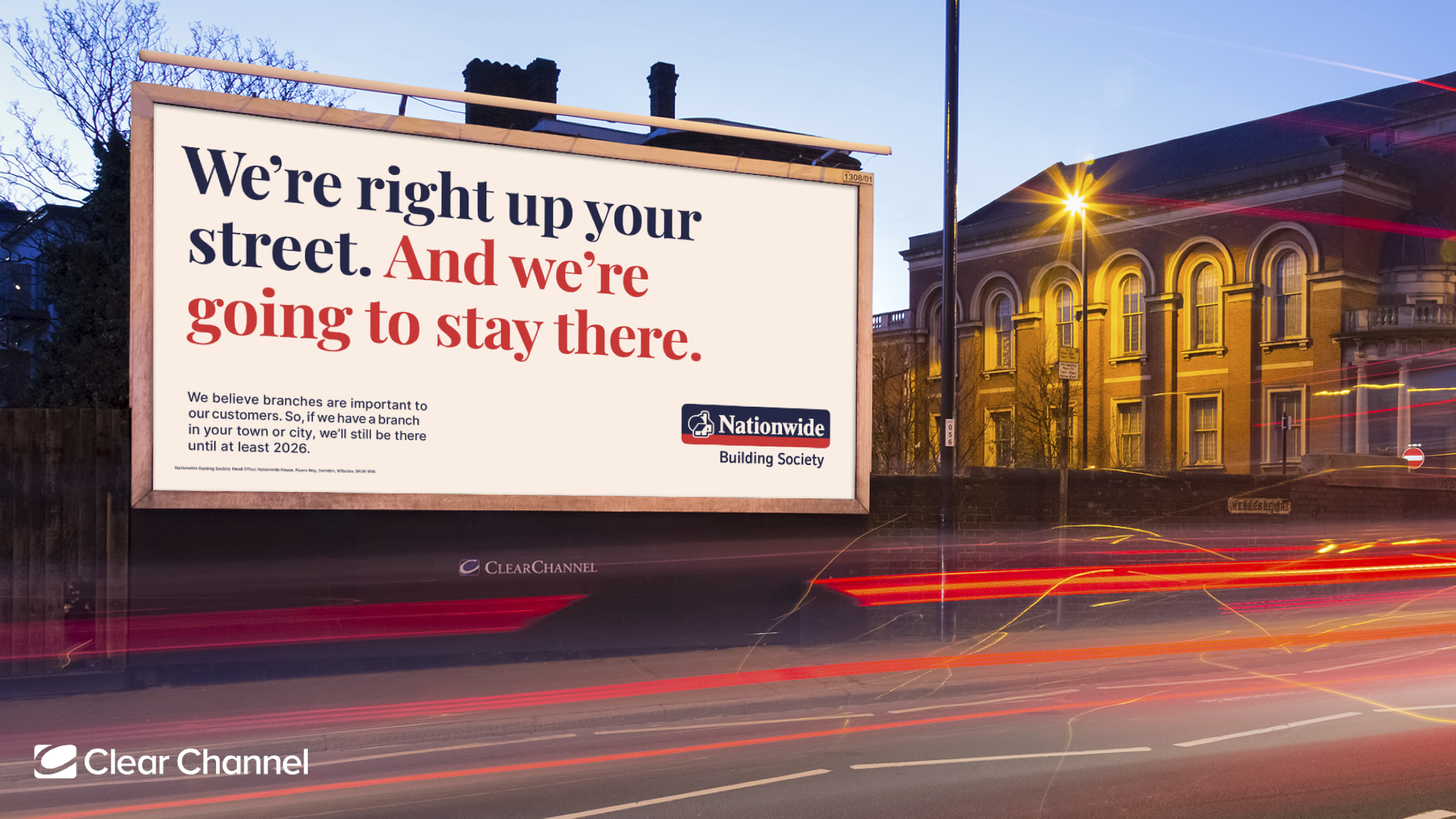
You see the Conservation Projects imperative at work in the UK building society Nationwide’s promise to keep all its local branches open until at least 2030. In 133 towns across the UK, Nationwide is the last physical bank or building society branch left.
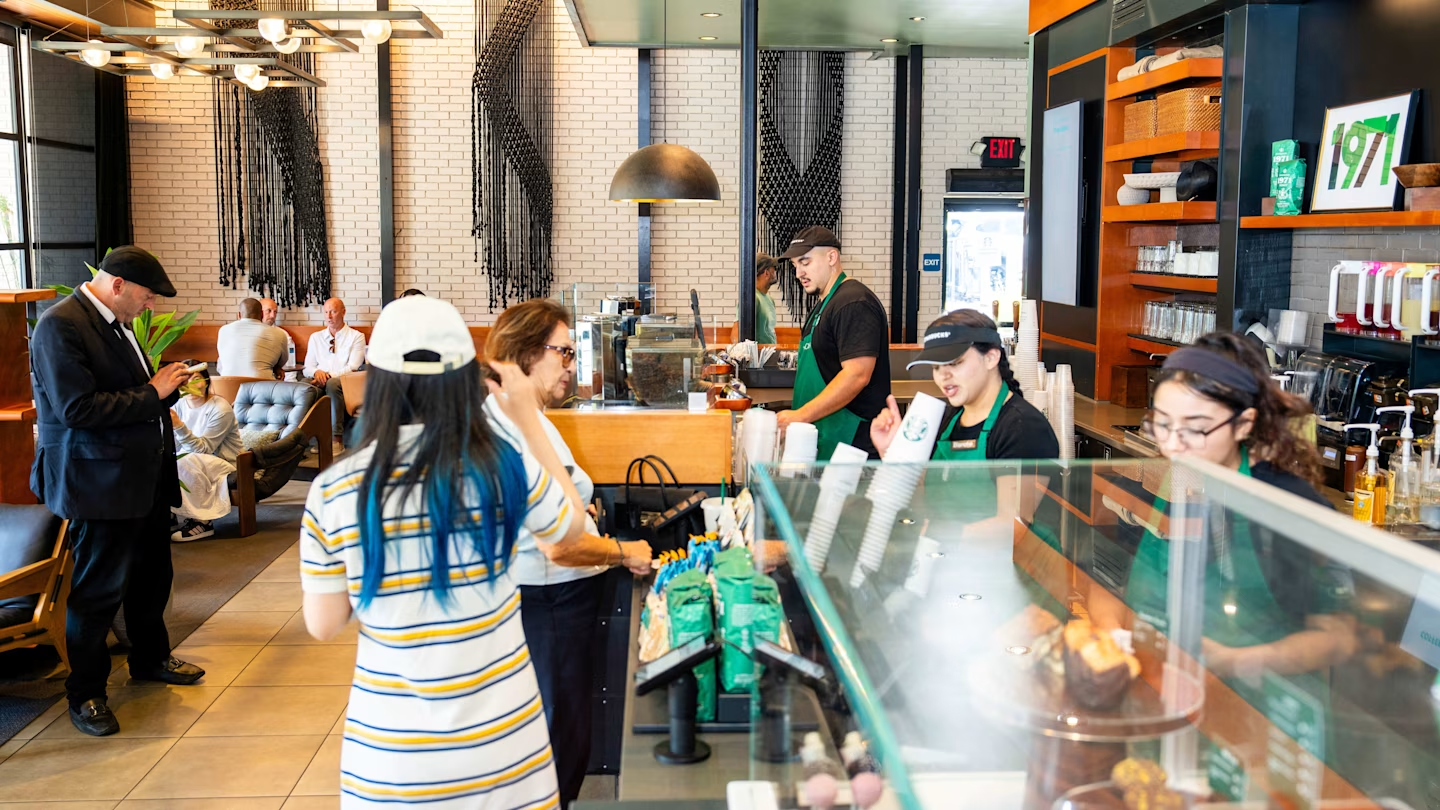
You see it in Starbucks’s new plan to restore over 30,000 seats to physical branches worldwide, after years of optimising for mobile ordering and a fast, digital-first experience…
Even digital brands are developing Conservation Projects strategies. They’re responding to a hunger, among consumers, for the cultivation and conservation of everyday traditions and authentic connection. For, in other words, life as we know it.
Back in June the dating app Bumble has launched Plans, an app for small-group drinks and dinners:
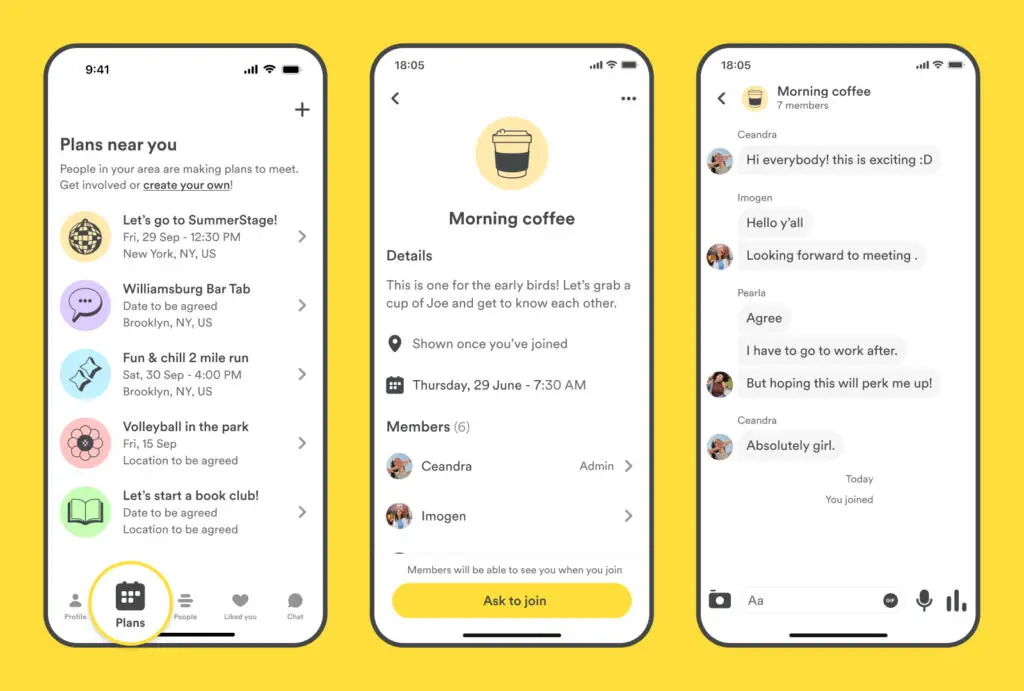
Users are asked to take a simple quiz that allows the app to learn a few of their preferences. They are then sent SMS invites to local small-group meet-ups.
Bumble calls it: ‘an easy, low-pressure way to meet new people in your area, make genuine friendships, and hang out in a group setting—so there’s no awkward one-on-one first meetup energy.’
The pinboard-based social media platform Pinterest is leaning hard into a Conservation Projects messaging. They just launched a campaign called How Did They Do It. At the heart of that campaign is a film about life before the advent of the smartphone, built using the old home movies of Pinterest employees.
In the film, a young girl is seen asking how people lived in the olden times before phones: ‘how did they live their lives without posting about it? How did they know who they were without the rest of the world telling them?’
The campaign’s tagline is: ‘The best thing you can find online is a reason to go offline’.
The campaign marks an intriguing shift for Pinterest, which is, of course, the kind of online platform that the film seems, implicitly, to criticise. The kind, that is, where people ‘post about their lives’ and find out what ‘the rest of the world’ thinks about their interests and choices.
Pinterest wants to rebrand itself as a digital platform that is, above all, a portal into real, embodied, everyday experiences. The kind of authentic life that people lived in the olden days, before social media and phones alienated us from our own lives and one another.
That’s a Conservation Projects play.
Your Conservation Project
The structural forces I've discussed in this essay – those pushing consumers to embrace Conservation Projects — are powerful, and lasting.
So when I call this a trend, I don't mean it's the kind of viral trend that we associate, these days, with TikTok or Instagram; a fad that pops in and out of existence within a few months, or a year. It's a medium and longterm shift in consumer behaviour and mindset; one with deep roots, and one that will evolve over time.
And this makes Conservation Projects a powerful opportunity for any brand. The challenge is this: how can you play a role in helping to protect and nature the everyday ways of living and being that will come under increasing pressure in the years ahead? How can you serve and empower consumers as they set about their own quests to do that?
But the reward is compelling: get it right, and you'll travel one of the few paths left through an insanely noisy media environment, and make contact with consumers in a way that counts. You'll create the chance to build lasting relationships with those whose lives you touch. And to enjoy a broader halo effect around it, thanks to the content you make about your Project.
As we've seen, Conservation Projects can take diverse forms. So when you set about applying this trend, the process is a lot about narrowing down. What kind of Project do you have the capabilities to run? What kind makes sense from you?
Ask:
Which aspects of everyday life does the product, service, or experience that we make touch?
Meaningful everyday ways of living and being are underlain by fundamental human needs, such as security, value, and social connection.
So think about the fundamental and shared human needs that you play to. And ask how that human need is manifesting now, and how those manifestations are under threat via the Great Enweirdening that I've written about here.
Look at the way Heineken targeted the human need that is social connection, and its diminishment via the fading away of the local pub, and traditions associated with it, in Ireland.
Or at the way IKEA played in a space that makes sense for them: the family meal at home.
Next ask: what can we do to facilitate the renewal or preservation of this aspect of everyday life? Or to empower consumers in their quests to do that?
The most powerful applications of the Conservation Project has to have, at its heart, meaningful and sincere action to support or encourage an everyday way of living or being that is under threat. Or to empower or celebrate consumers as they set about providing that support themselves.
Heineken celebrated local heroes working to stop the erasure of their local pub in Ireland. And they provided real and practical support to local bar owners in Spain, by empowering them form nationwide networks.
BEAMS JAPAN and Cow Brand Soap took active to preserve and celebrate the traditional local sento.
But you can also create effective Conservation Project campaigns that simply tell consumers: we get it. Campaigns, that is, demonstrate that you understand, and empathise with, what consumers are living through.
See Pinterest and their How Did They Do It? campaign.
Pinterest’s campaign focuses on the era of social media and the smartphone. And it makes powerful emotional sense now, to millions of viewers, thanks to the era of enweirdening that is opening before us.
Finally, ask: how will people discover our Conservation Project?
The most immediate impact of your Project will be on those whose lives it directly touches.
But for it to be meaningful for you as a brand, you'll need other people to discover it too.
That means sharing news of the story of your Project. One tip: the art here is to do that in a way that does not appear self-aggrandising. Instead, keep the focus on those you are supporting; celebrate them and the everyday tradition or norm they are seeking to protect.
Go Forth
Remember, this trend is here for the longterm. That means you have the space to think about this deeply, and find the right execution for you.
If you want help thinking this through — and making broader sense of what the Great Enweirdening means for your brand — then come and speak to us at Full Moon. We work with a handful of brands at a time, to provide bespoke counsel.
We will keep tracking this trend, and write more on it as it evolves.
But for now, wishing you another fruitful lunar season.
David.
Read Next

Is AI stretching your people?
Guest essay

Sign up for our webinar on how AI is changing Design
Event series

How is AI changing design?
Part III

How is AI changing Design?
Part II
Comments